 |
New Rottland |
|
He is not recognized by the F.C.I. |
Origin |
Germany <> Canada -> U.S.A. | |
Translation |
Francis Vandersteen |
A brief presentation of the New Rottland |
| The New Rottland is a specific giant cross between the Newfoundland and the Rottweiler. Both breeds are huge but gentle and affectionate pets, making them excellent family companions as well as guard dogs due to their size and loyalty. They typically weigh around 59 kilos on average and stand around 71 to 76 centimeters tall. The New Rottland has a thick, medium-length coat that is generally black, brown, fawn and cream with Rottweiler and Newfoundland Dog coloring. They are intelligent, fun-loving dogs that love to play with children and other pets, as well as with balls and sticks. |
History of the New Rottland |
| Your New Rottland hasn't been around long enough to build a history, so you'll need to consult the parents' history. |
A little of the Rottweiler |
||
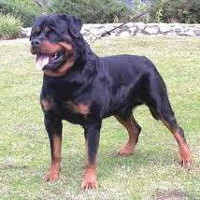
| The Rottweiler is descended from the German Shepherd, Mastiff and Bouvier dogs of 1st century Germany. They were originally used to herd and drive cattle, then to pull carts and wagons. In the 19th century, they almost became extinct, as these jobs were no longer possible thanks to technology. However, Rottweiler lovers created Rottweiler clubs and made sure they didn't disappear altogether. They were officially recognized by the American Kennel Club in 1931 and are now the 8th most popular dog breed in the USA. | ||
 |
||
| Standard of the Rottweiler | ||
A little of the Newfoundland |
||
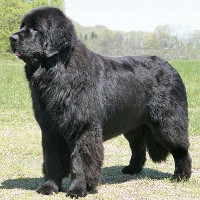
| The Newfoundland Hound originated on the island of Newfoundland in Canada from the Tibetan Mastiff and possibly the Pyrenean Mountain Dog and the French Hound. They have been popular as water dogs since the 1700s and have been found working alongside fishermen helping to gather fish that have escaped from nets. They have dense, water-repellent coats and webbed feet, making this breed the perfect swimming and fishing companion. Some say the breed was introduced to the island of Newfoundland by European fishermen, but others believe it is related to the Labrador, also native to Canada. The Newfoundland Dog is best known for saving many lives of those drowning after a shipwreck in 1919. They became members of the American Kennel Club in 1886 and are the 35th most popular dog breed in America. | ||
 |
||
| Standard of the Newfoundland |
Appearance of the New Rottland |
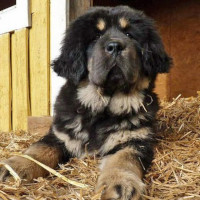
| The New Rottland has oval, dark-brown eyes and a leathery black nose on a short, square muzzle. Their expectant expression gives you the impression that they're waiting for you to do something, like throw a ball or pat them on the head. They drool a little and you can sometimes see him walking around with his tongue sticking out of his mouth. Their coat is dark and thick with light-colored Rottweiler mask and eyebrows. They are large and hairy, weighing around 59 kilos and reaching heights of between 71 and 76 centimeters as adults. |
Temperament of the New Rottland |
| Your New Rottland is a gentle giant that may seem fierce, but it's an affectionate pet that will snuggle up with anyone. They really enjoy playing with other pets and children, but you should supervise them with young children as they are large and can knock little ones over by accident. They also like to hunt local wildlife like birds, rabbits, squirrels and even deer. They are fairly easy to train and like to please, so they are almost always obedient. However, if they're hunting animals, they may not stop and listen once their prey goes off. |
Needs and activities of the New Rottland |
| The New Rottland needs plenty of exercise to stay fit and avoid boredom. They do best if they have a fenced yard to spend time in during the day so they can run and play whenever they like, but they can also be happy simply being taken to the dog park to play with other dogs. Some of the activities the New Rottland enjoys are wildlife hunting, retrieving play, flyball, agility or obedience training, swimming, hiking in the woods or anything else that gets them moving. If they don't get enough exercise, you may find your New Rottland chewing on your shoes or tearing up furniture. |
Maintenance of the New Rottland |
| This breed needs to be brushed at least three or four times a week with a metal comb and pin brush to prevent its coat from tangling or matting. The New Rottland has a thick, soft, medium-length coat that sheds a lot, so frequent brushing can reduce the amount of hair in the house and on your clothes. Their floppy ears need frequent cleaning to prevent earwax build-up and ear infections. You should also keep an eye out for mites and rashes. In addition, their nails should be trimmed with a nail clipper once a month or when you can hear them clicking as they walk. |



 English (United Kingdom)

Comments