
 |
Bulloxer |
|
He is not recognized by the F.C.I. |
Origin |
U.S.A. <> Germany -> U.S.A. | |
Translation |
Francis Vandersteen | |
This breed is also known as |
American Bulloxer
|
A brief presentation of the Bulloxer |
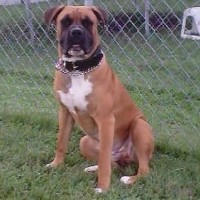
| Bulloxers are a specific cross between a Boxer and an American Bulldog. These two gentle breeds were once used for fighting and are very strong and athletic. However, the temperament of these breeds has been changed over the years to develop calm, loyal dogs that make wonderful pets. The Bulloxer is a cross between these breeds and will also get on well with children and other pets. They will take on the appearance of both breeds, making them large, muscular and square. They are healthy dogs with few medical problems and easy coat care needs. However, they will always require proper maintenance and exercise. |
History of the Bulloxer |
| This breed can sometimes be confused with other very similar breeds. The Bulloxer is generally a combination of an American Bulldog and a Boxer. A Bull-Boxer, however, is a mixture of a Boxer and an English Bulldog. Little is documented about the creation of this breed, as they are fairly modern. They originated in the United States. |
A little of the American Bulldog |
||
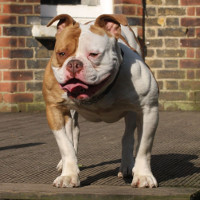
| The American Bulldog is descended from the old Mastiff family. In the 1800s, the American Bulldog was imported to the United States and was an expert at catching wild pigs. At the time, the American Bulldog was also used for baiting bulls, an exotic American sport. Before World War II, the American Bulldog was popular in the South and was used as a working dog for farmers and ranchers. John D. Johnson of Georgia helped repopulate the American Bulldog and preserve the breed to the best of its ability. The American Bulldog was originally massively powerful and aggressive towards others. Through selective breeding, breeders have succeeded in eliminating many of these aggressive traits. In 1989, the American Bulldog Association was created to oversee the breeding of this breed. | ||
 |
||
| Presentation of the American Bulldog | ||
A little of the Boxer |
||
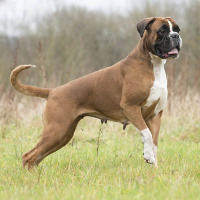
| The Boxer was created in Germany in the 19th century. The breed's ancestors include the Bullenbeisser and Barenbeiszer, two German Mastiff-type dogs. Later, Bulldog and Mastiff ancestors were added to the mix. At first, Boxers were used for dog fighting, as well as for pulling carts, rounding up cattle and catching wild boar, and as cattle dogs, then were used in circuses and theaters. They were given the name Boxer because they are known to use their front paws to swing at their opponent, as they look like Boxers. These days, Boxers are talented at guarding, being guard dogs, police dogs, working in the army, search and rescue, performing tricks, protection dog and competitive obedience. | ||
 |
||
| Standard of the Boxer |
Appearance of the Bulloxer |
| This hybrid breed will appear like a Boxer in height and length, but gets its muscular shape from the American Bulldog. These dogs are strong and have broad chests. Their muzzles are small with the potential for an underbite, and heads can be described as square or blocky. Their muscles are well defined and their stomachs will be folded. The tails found on these dogs will be medium-sized and are sometimes docked. These dogs are considered a large breed and will reach around 31 to 41 kilos and grow to 56 to 69 centimeters in height. Their coats, dense and stiff but close to the body and short, come in a variety of colors. These include white, light brown, brindle and fawn. For a more detailed description of this breed's appearance, search for Boxer and American Bulldog appearances. Although this breed may not have all the characteristics of both breeds, it will be a blend of both. |
Temperament of the Bulloxer |
| This gentle breed is known for being a friendly, social pet that makes an excellent addition to the family. They're loving and playful, which means they'll do well in a home with children. They are also energetic dogs who would love to accompany an active owner on their daily walks or errands. Bulloxers are intelligent breeds who like to please their owners and should learn quickly if used often. However, stubbornness is common in both Boxers and American Bulldogs, which can lead to complications. On the whole, they are not aggressive dogs, but calm and affectionate. Both parent breeds can make great watchdogs, so we can assume the same of their offspring. They are working dogs who will be happiest when they have a job to do. This breed is muscular and can be strong in adulthood. Therefore, training is a must. Keep them busy with toys and activities, because if they get bored, they can become destructive. They'll also get on well with other animals if socialized at a young age. |
Needs and activities of the Bulloxer |
| These dogs are known to be talented athletes who, in addition to a proper diet, will also need a moderate amount of exercise to stay in shape. It's essential that these dogs get enough exercise, not only for their happiness and health, but also because they can become mischievous and destructive if bored. This may vary from one individual to another, but most dogs of this breed will need between 30 and 45 minutes of exercise a day. |
Maintenance of the Bulloxer |
| This breed is very easy to care for, as it sheds very lightly and doesn't require abundant brushing of the coat. However, Bulloxers will need the same basic care as all other dogs. This includes dental care, nail trimming and ear cleaning. To keep their teeth and gums healthy and bacteria-free, do your best to brush them every day. If this isn't feasible, make sure it's done two or three times a week. You should check your dog's nails once or twice a month, but not all dogs will need to have them trimmed so often if they wear down naturally. If you can hear your pet making clicking noises as he walks, his nails should be trimmed. Ear infections can occur in any dog, but they can also be avoided. You should wipe your pet's ears weekly and check for any abnormalities at the same time. |



 English (United Kingdom)

Comments