
 |
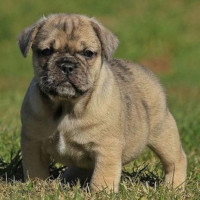
Bullpug |
|
He is not recognized by the F.C.I. |
Origin |
Great Britain <> China -> U.S.A. | |
Translation |
Francis Vandersteen |
A brief presentation of the Bullpug |
| The Bullpug is also known as the Miniature Bulldog, but should not be confused with the Toy Bulldog, now extinct. This little crossbreed has taken on the physical characteristics of both its parents, the English Bulldog and the Pug, and has a small, stocky body with a brachycephalic head and a few wrinkles on the face. Their short, bristly coat is often white and fawn, although it can also be black, brindle or red. Gregarious and relaxed, this breed can fit easily into most households. They generally get on well with other animals and are excellent companions for children. Not big on exercise, some owners describe their Bullpugs as lazy and certainly prefer the sedentary lifestyle. |
History of the Bullpug |
| The Bullpug is a cross between the English Bulldog and the Pug. Also known as the Miniature Bulldog or Mini-Bulldog, it is a relatively new specific crossbreed dog that has stolen the hearts of many. As with most new hybrids, it's not clear exactly when or where the Bullpug originated. Nevertheless, we know a lot about its parents and have developed a good understanding of the Bullpug in recent years. |
A little of the English Bulldog |
||
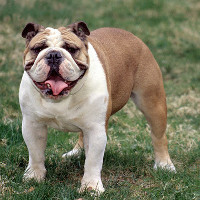
| The English Bulldog has been around since the 1600s and is now considered a national icon of England. Unsurprisingly, given their name, they were traditionally used for bull baiting and also took part in dog fights. Their robust bodies and powerful jaws assisted them in these tasks, although once these roles were outlawed, the Bulldog was bred to become a pet and their characteristics and personalities softened over time. The English Bulldog used in the creation of the Bullpug is a much less sporting version of the original breed. | ||
 |
||
| Standard of the English Bulldog | ||
A little of the Pug |
||
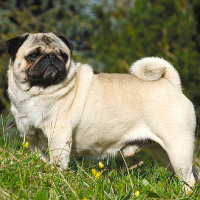
| An ancient breed that has existed for over a thousand years, the Pug probably originated in China and was introduced to Europe in the 1500s. The Pug has become one of the most talked-about breeds in the last decade, and for controversial reasons. While many adore these sweet little guys for their self-confidence and tolerance of children, others object to their conformation and the tendency to breed Carlins with obstructed airways and squashed faces. | ||
 |
||
| Standard of the Pug |
Appearance of the Bullpug |
| The friendliness factor is high in this one, and the Bullpug tends to look like a Bulldog who never stopped being a puppy. Much smaller than its Bulldog parent, the Bullpug retains a broad skull, ruffled muzzle and round brown eyes. Their chest is broad and their short, stocky limbs end in wide paws. The Bullpug's coat is short and straight, and can display a variety of colors, including white, fawn, black, red and brindle. Many dogs have more than one color. Measuring just 35 to 43 centimeters and weighing 11 to 18 kilos, this stocky little dog is slightly larger and heavier than the Pug. |
Temperament of the Bullpug |
| Typically a good mix of their parents, Bullpugs often have the reserved, dignified nature of the Bulldog, but can sometimes have a few moments of madness inspired by their Pug parent. They are not lacking in self-confidence and enjoy the company of other animals and family members, especially with children. They are kind and loving and will form close bonds with their owners, forming strong bonds that will last a lifetime. A good watchdog, especially Bullpugs who take more of their genes from the Bulldog side, this breed can be alert and territorial. Thoroughly socializing them from an early age should prevent the development of overtly hostile behavior, although most dogs are wary of newcomers to their home. Some Bullpugs are wary of unfamiliar dogs, so it's wise to keep them on a leash in public places and to exercise caution when new dogs approach. By introducing your Bullpug to a wide range of maturing dogs, any fear-based aggression can be largely avoided. |
Needs and activities of the Bullpug |
| Neither the Pug nor the Bulldog is particularly easy to train, as both can be quite stubborn. Although the Bullpug may train more slowly than other breeds, it is more than capable, with patience and consistency, of mastering basic commands and being pleasant to guests. Anecdotally, the Bullpug is rather difficult to groom and takes longer than most, but it can certainly learn to relieve itself outdoors in the first few months of life. A relaxed, easy-going dog, the Bullpug is often recommended as a pet for older people with less active lifestyles, as they have relatively low exercise requirements. While young dogs may be keen to run and play in the park, older Bullpugs can be quite lazy and tolerate only 30 to 40 minutes of walking each day. It's vitally important that owners are aware of the potential exercise restrictions for their Bullpugs. Excessive Bullpug exercise, especially in hot or humid weather, can make it difficult for them to breathe. Young, excitable dogs may not understand their own limits and may overdo it to the point of heatstroke. It's essential to keep them cool and rested in the heat. |
Maintenance of the Bullpug |
| Because the Bullpug's fur is so straight and short, it's very easy to care for, requiring only a quick brush every week. The inside of their ears should be washed at the same time, and owners should take the opportunity to examine their teeth, eyes and whole body, looking for any abnormalities. It's a good idea to include them in this routine from an early age. Ideally, owners should brush their Bullpug's teeth daily with a soft children's toothbrush or finger brush. Canine toothpaste can also be used, although this is not necessary. This will considerably reduce the incidence of dental disease later in life. |



 English (United Kingdom)

Comments