
 |
Bull Jack |
|
He is not recognized by the F.C.I. |
Origin |
Great Britain <> Australia -> U.S.A. | |
Translation |
Francis Vandersteen |
A brief presentation of the Bull Jack |
| The Bull Jack will have the characteristics of both parents, proving affectionate and lively. They are sturdy, small to medium-sized dogs with short coats. The Bull Jack is a low-maintenance dog in the grooming department, and does well in most environments, but not in extremes of heat or cold. The Bull Jack can live happily in an apartment if it receives daily walks and outings that involve fun activities. If you're looking for a fun, loving companion, the Bull Jack is exactly the dog you need. |
History of the Bull Jack |
| The Bull Jack is a cross between the English Bulldog and the Jack Russell. This feisty hybrid is thought to have been developed in the USA over the last 20 years. |
A little of the English Bulldog |
||
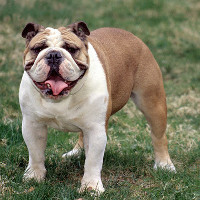
| Thought to be a cross between the Mastiff and the Pug, the English Bulldog breed was developed in England in the 19th century. The first English Bulldogs were larger than they are today, weighing around 36 kilos. They were bred to be aggressive, courageous and determined. The original purpose of the breed was bull-baiting. Bull-baiting was officially banned in England by the Humane Act of 1835. When bull-baiting was banned, dog-fighting became more popular. Dog fighting required a smaller area. So, even though dogfighting was also illegal, it was easier to hide from the authorities. Eventually bred to be a gentler companion, the breed was allowed to lead a happier life. The English Bulldog was officially recognized by the American Kennel Club in 1886. | ||
 |
||
| Standard of the English Bulldog | ||
A little of the Jack Russell Terrier |
||
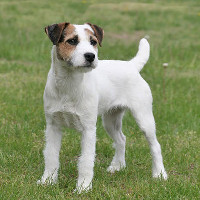
| The Jack Russell Terrier was developed in England in the 1800s. In 1819, a student named John Russell bought a small, white and tan Terrier from a local milkman. He named the adorable dog Trump. The dog had the appearance of a short-haired Fox Terrier but had smaller legs. Mr. Russell was an avid hunter and began crossing Trump. His aim was to develop a Terrier with high stamina and courage that would eagerly chase a fox from its den. By 1850, Trump's offspring were recognized as a breed. Today's Fox Terrier and Jack Russell are Trump's descendants. The Fox Terrier Club was formed in 1875, and Mr. Russell was one of the founding members. In 1982, a Jack Russell named Bothy was part of the Transglobe expedition. He became the first dog to travel to the North and South Poles with owner Ranulph Fiennes and Charles Burton. | ||
 |
||
| Standard of the Jack Russell Terrier |
Appearance of the Bull Jack |
| The Bull Jack will have the physical characteristics of both its parents. It may take more after the Bulldog or Jack Russell. The Bull Jack will have a short, smooth coat, which may be black, white, beige or a brown combination. It will be small, with an average height of 30.5 to 35.5 centimeters. The Bull Jack will be a strong, muscular medium-sized dog. He may have wrinkles and folds in his skin. His eyes have a loving, intelligent expression, and his appearance will be that of an alert, confident dog. Ears are small, hanging ears. Eyes and nose are dark in color. |
Temperament of the Bull Jack |
| The Bull Jack will inherit the personality traits of both its parents. Both Bulldogs and Jack Russell Terriers can be stubborn and resistant to training. The Bull Jack is not recommended for first-time dog owners. It will need early socialization and consistent leadership. Patience, exercise and persistent training are required. A medium-to-high-energy dog with parents who are playful, affectionate and good with children, and an active family willing to involve him in everything they do, is best. Bull Jacks don't like to be left alone for long periods. He may suffer from separation anxiety, which can lead to behavioral problems such as furniture chewing and excessive barking. |
Needs and activities of the Bull Jack |
| The Bull Jack will need daily walks, exercise and interesting activities to keep him from getting bored. Bull Jacks enjoy joining their owners on hikes and runs. Its Jack Russell side can give it a high energy level, although the English Bulldog parent is more laid-back. This hybrid can live in an apartment if daily exercise and activity are provided, but will thrive in a home with a fenced yard where it can be taken out often to run around in the fresh air. The Bull Jack should not be left off leash because of its possible prey. In addition, he'll appreciate visits to a dog park where he can practice his meet-and-greet skills, or agility training that will allow him to expend energy with a job to do. |
Maintenance of the Bull Jack |
| The Bull Jack has a short, smooth coat that only needs combing or brushing once a week to remove loose hairs. It can be bathed monthly with a mild canine shampoo. If he has wrinkles or folds in the skin, they should be kept clean and dry. His ears will need weekly cleaning if he tends to have a build-up of dirt or moisture inside. To prevent tartar build-up, his teeth should be brushed with dog toothpaste twice a week. Nails should be trimmed monthly, but checked more often for cracks or breaks in the nail. |



 English (United Kingdom)

Comments