
 |
Akita Pit |
|
He is not recognized by the F.C.I. |
Origin |
Japan <> U.S.A. -> U.S.A. | |
Translation |
Francis Vandersteen | |
This breed is also known as |
Akpit |
A brief presentation of the Akita Pit |
| The Akita Pit is a cross between the Akita Inu and the American Pit Bull Terrier. Of medium size, the Akita Pit can weigh between 13.5 and 30 kilos on average, and in standing position can measure from 40.5 to 66 centimeters, depending on the size of its parents. The coat of this attractive hybrid is short and lies flat along the dog's body, like that of the Pitbull, and can be fawn, white, black, blue or brindle. The Akita Pit tends to be gentle with children and other animals, and its obedient nature makes it easy to train. Dogs of these parent breeds are generally loyal and friendly, and can be stubborn. The Akita Pit is an enthusiastic dog eager to please its master. |
History of the Akita Pit |
| The hybrid Akita Pit is a new breed of dog with no detailed history. However, the two breeds that combine to form the Akita Pit have centuries of history. |
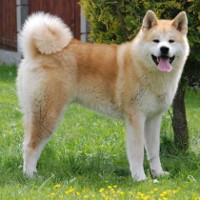
A little of the Akita Inu |
||
| The Akita Inu's ancestors were called Matagi Inu, which means hunting dog. Dogs of this breed were often used as fighting dogs in the late 1800s, and were crossed with other breeds to improve their fighting ability. In 1927, the Akita Inu Hozonkai Society of Japan was formed to preserve the original Akita Inu, and in 1931, the breed was designated a national treasure of Japan. The breed became more common in the United States after the Second World War, when soldiers returned from Japan with their dogs. Dogs of this breed often work as guard dogs or in law enforcement. | ||
 |
||
| Standard of the Akita Inu | ||
A little of the American Pit Bull Terrier |
||
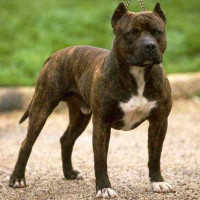
| As for the American Pit Bull Terrier, the original Bulldog, which was used for boar hunting and as a guard, is depicted in paintings dating back to the 1500s. These dogs closely resemble the American Pit Bull Terrier we see today. They were called Bulldogs because they were the dogs best suited to the sport of fencing. In 1835, bull baiting was banned in England and its promoters looked for a new way to make a profit, turning to ratting and dog fighting. It is thought that at this time, one or more types of terrier were mixed with the dog to make it more eager to seek prey and more aggressive, while reducing its size and increasing its agility. The American Pit Bull Terrier is the product of dogs of English and Irish stock that arrived in the United States during the 19th century. These dogs proved their worth as breeding dogs and hog catchers. While some were still used in combat, the majority worked as hunters, shepherds, guards and friends, even earning the nickname of watchdog. | ||
 |
||
| Presentation of the American Pit Bull Terrier |
Appearance of the Akita Pit |
| The Akita Pit is a hybrid of the Akita Inu and the American Pit Bull Terrier, weighing between 13.5 and 30 kilos on average, and standing between 40.5 and 66 centimeters tall, depending on the size of its parents. Both parent breeds are considered athletic canines. So you can expect your dog to be muscular and strong, and most likely very agile too. Medium-sized, the Akita Pit has a robust build and a short coat that lies flat on its body, like the two parent breeds. Coat density varies somewhat, and the thickness of the Akita Pit's coat will depend on which of its parents' genes predominate. The Akita Pit's coat can be fawn, white, blue, black or brindle. |
Temperament of the Akita Pit |
| Like the Akita Inu, the Akita Pit is independent and can be stubborn. The American Pit Bull Terrier parent is intelligent like the Akita Inu parent, but may also have a penchant for dominance in the human-dog relationship. Obedience training will be essential for this hybrid, but can be a combination of kindness and firmness. Consistency in training is essential. Look for a recommended trainer who knows how to get the best out of a dog who just does what he wants. Akita Pit dogs are good with children as well as with other animals, although socialization is necessary, as with any breed of dog. As a breed, the Akita Pit is eager to please and has plenty of enthusiasm. The Akita Pit is likely to be protective of its family, obedient, loyal and friendly, as well as intelligent. It is rare for an Akita Pit to be aggressive towards people, and should be relatively easy to train if the methods used are consistent. |
Needs and activities of the Akita Pit |
| Your Akita Pit will need a significant amount of activity. Akita Inus need both physical and mental exercise, and physical activity is also very important for American Pit Bull Terriers. In fact, if an American Pit Bull Terrier isn't getting the exercise he needs, he'll let you know through destructive behavior. So it's likely that your Akita Pit will be no different. Daily exercise in the form of long walks, hikes and jogging will be appreciated by your Akita Pit. A fenced-in outdoor area will be useful for your dog, as it will allow him to release his energy. Make sure the area you provide is safe, and keep a constant eye on it. |
Maintenance of the Akita Pit |
| Akita Pit maintenance should be fairly straightforward, with weekly brushing and bathing if necessary. Grooming time can also become a good bonding time, allowing your Akita Pit to learn to sit still and tolerate being touched and examined. Your Akita Pit's nails should be trimmed if necessary and its teeth brushed regularly to ensure long-term dental health. Regular exercise is important for your Akita Pit. As with pit bulls, your Akita Pit can become destructive if bored and inactive. Training your Akita Pit is important and should start at an early age. Easy to train, this action-hungry dog will quickly learn basic commands like sit and stay. Behavioral training and early socialization will also be important for your Akita Pit, enabling it to learn and feel at ease in different situations. |



 English (United Kingdom)

Comments