 |
Siberpoo |
|
He is not recognized by the F.C.I. |
Origin |
Siberia <> France -> U.S.A. | |
Translation |
Francis Vandersteen | |
This breed is also known as |
Huskydoodle
|
A brief presentation of the Siberpoo |
| With plenty of energy and brains to spare, the Siberpoo is not a breed for the faint of heart. Inheriting the work ethic of the Siberian Husky and the joyful nature of the Poodle, the Siberpoo is a spirited dog that likes to stay busy. They need dedicated owners with time on their hands, and can be a handful without proper training. With its stiff body and long limbs, the Siberpoo is built for speed and endurance, outperforming many other breeds in terms of running and staying active. They generally have rounded skulls and floppy ears, with a face that carries a lively, alert expression. Coat type varies from dog to dog, but many will have a dense, stiff coat. |
History of the Siberpoo |
| You may know the Siberpoo as the Huskydoodle or Poosky, a cross between the popular Poodle and the intelligent Siberian Husky. It's not known exactly when the first Siberpoo was bred, but it's certainly a relatively new breed with a very small population. While we know little about the history of the Siberpoo, we do know a great deal about its parent breeds. |
A little of the Siberian Husky |
||
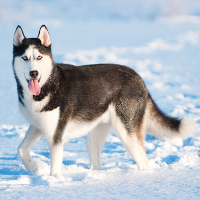
| The Siberian Husky is a truly ancient dog whose origins date back some 3,000 years, when it was first bred by the Chukchi Indians in the Arctic. Over time, the breed naturally migrated to Alaska, then to Canada and America. Originally, Siberian Huskies offered much to their masters, acting as sled dogs, hunters, watchdogs and companions. They were conscientiously bred to be obedient and good with people, guaranteeing a well-balanced dog, capable of integrating into the family and working efficiently. Today, the Siberian Husky is a popular breed, although unfortunately many individuals develop behavioral problems and a large proportion end up in relocation centers. This is mainly due to the fact that new buyers don't do their research and aren't able to provide this wonderful breed with the exercise and attention they're looking for. | ||
 |
||
| Standard of the Siberian Husky | ||
A little of the Poodle |
||
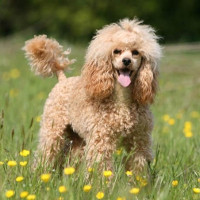
| The Poodle is an adaptable breed with many positive characteristics, enabling it to feature in many of the new hybrids. It is the Standard Poodle that is bred with the Siberian Husky to produce the Siberpoo. While people tend to associate Poodles with France, we know that they are in fact a German breed. They were used in Germany for hunting, mainly in pursuit of ducks. Their distinctive haircut was actually the result of hunters wanting a more practical coat when getting wet on the job, rather than looking for a fashionable mutt. Today, the Poodle is an extremely well-known dog, with its three variants (toy, miniature and standard) ranking at the highest international level. | ||
 |
||
| Standard of the Poodle |
Appearance of the Siberpoo |
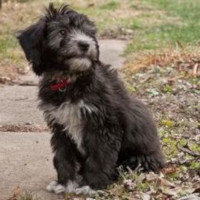
| As with any hybrid, it's impossible to predict what a Siberpoo will look like, and even puppies from the same litter can end up with very different characteristics. Some will look more like their Husky parents, while others will take after the Poodle. In general, they'll blend well, and over the years we can expect this new breed to become more normalized. Measuring from 33 to 56 centimeters and weighing between 20 and 27 kilos, the Siberpoo is a medium-sized dog with a lean, athletic, muscular body. Most individuals will have a fairly large, rounded head with ears that hang to the side of the face. However, a small number will retain the pricked ears of the Husky. Their large nose is a dominant feature of their face, and they have small eyes that can be a piercing blue, dark brown or amber. The Siberpoo's coat is highly variable, which means that one Siberpoo looks very different. The coat can be long and silky or curly. They have a thick double coat that could be any combination of black, white, gray and brown. Rather than being the solid colors of the Poodle, most will retain Husky markings. |
Temperament of the Siberpoo |
| Although undoubtedly gentle and affectionate, the Siberpoo is a breed in its own right that requires constant attention and very devoted owners. This is not a dog that's content to lounge around on the sofa, and needs structure and routine in its life. They like to keep busy and are happiest when given tasks. Owners need to provide these guys with adequate exercise and mental stimulation at all times. Happiest when in the company of lots of people, the Siberpoo does well with children and loves to play with them. Most have the ability to get on well with other pets, but it's necessary to teach them about them from an early age. Siberpoo should not be left alone for long periods, as they quickly become bored and often revert to destructive tendencies. They'll do the work of any furniture and are notoriously good at digging in the garden. |
Needs and activities of the Siberpoo |
| These dogs are quite active and need to be walked daily. They will also need free time to play and run in a fenced yard. These dogs will do best living in a house with an easily accessible yard, although an apartment will do as long as they are sufficiently exercised. The Siberpoo loves to play fetch, play and swim in the water, go to the dog park and play with toys. Because they're such an intelligent breed, they'll need both physical and mental exercise. A good way to keep them busy is to have a few toys that you can swap from time to time. You should spend around 30 to 45 minutes a day being active with your Siberpoo dog. |
Maintenance of the Siberpoo |
| The Siberpoo is fairly easy to maintain, as its shedding levels are low to moderate. However, they still need to be brushed every day, and the grooming routine varies according to coat type. If they have a coat similar to that of a Poodle, the Siberpoo will need daily grooming and regular trimming by a professional groomer every two months. Dogs with a coat similar to that of the Siberian Husky should be brushed daily and will need baths when dirty. However, don't bathe your dog too often, as this can damage the skin's natural oils. Other requirements include nail trimming, which should be done two or three times a month. To reduce the risk of ear infection, ears should be wiped once a week. At least two or three times a week, all dogs should let their teeth be brushed. This will keep gums healthy, prevent teeth from rotting and improve overall health. |



 English (United Kingdom)

Comments