 |
Alaskan Shepherd |
|
He is not recognized by the F.C.I. |
Origin |
U.S.A. <> Germany -> U.S.A. | |
Translation |
Francis Vandersteen |
A brief presentation of the Alaskan Shepherd |
| The Alaskan Shepherd is a loyal and courageous companion, just like its great working dog ancestors. They are intelligent animals that need plenty of activity, mental stimulation and coat maintenance to stay happy and healthy. Alaskan Shepherds require firm training from an early age, but can make excellent pets for families willing to put in the effort. This breed probably originated in the early 1900s, when its parent breeds, the Alaskan Malamute and German Shepherd, were popular in the USA. Nevertheless, Alaskan Shepherds are unusual hybrids and are not recognized by the American Kennel Club's list of purebred dogs. |
History of the Alaskan Shepherd |
| The name Alaskan Shepherd is a combination of the names of the dog's parent breeds: the Alaskan Malamute and the German Shepherd. |
A little of the Alaskan Malamute |
||
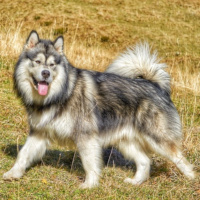
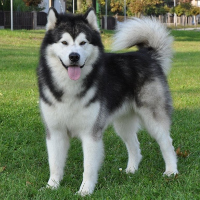
| The Alaskan Malamute is an ancient breed, believed to be descended from the wolfhounds that accompanied Paleolithic hunters across the Bering Strait over 4,000 years ago. It eventually acquired the name "Malamute" in reference to the Innu tribe of Mahlemuts that inhabited the northwest coast of present-day Alaska. Alaskan Malamutes were first bred to hunt big game and pull sledges over icy terrain. In the 1800s, foreign explorers began importing Alaskan Malamutes into the United States as working dogs for gold rush expeditions in the western part of the country. Eventually, American breeders began mating Alaskan Malamutes with smaller dogs for racing and entertainment purposes. This initiative destabilized the breed's lineage for many years. In the 1920s, however, a successful effort was made to revive the purebred brand. Today, the Alaskan Malamute is the official state dog of Alaska and is recognized by the AKC. | ||
 |
||
| Standard of the Alaskan Malamute | ||
A little of the German Shepherd Dog |
||
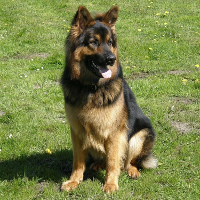
| The German Shepherd originated in Germany, where it was developed as a herding dog from regional shepherd varieties in the 1800s. Originally, it was called the German Shepherd Dog, in reference to its primary function. The breed was so well bred and responsive that it came to be used as a working dog in the German army. In fact, during the First World War, German Shepherds helped supply soldiers with supplies and rations. In 1899, the Verein fur Deutsche Scharferhunde SV was founded to guide the breed's development, leading to its popularity as a guard dog and pet in Europe. The American Kennel Club recognized the German Shepherd in 1908, and the breed's popularity continued to grow in North America. Today, it remains a popular dog in the United States and Europe, particularly in Germany. The combination of these two related breeds has produced a large, alert and affectionate pet. The Alaskan Shepherd may have been bred since the early 1900s, given the long history of the Alaskan Malamute and German Shepherd in the United States. Nevertheless, it is a rare hybrid that is not recognized by the AKC. | ||
 |
||
| Standard of the German Shepherd Dog |
Appearance of the Alaskan Shepherd |
| The Alaskan Malamute and the German Shepherd share many similar physical characteristics. As a result, the Alaskan Shepherd closely resembles both parent breeds: it is longer than it is tall, with straight, pointed ears, almond-shaped eyes, a dark nose and a muscular build. It also has a fairly long, feathered tail and large, arched paws with thick padding. The Alaskan Shepherd can also be found in a variety of colors common to its parent breeds, and usually features black markings on the muzzle and forehead. The breed's coat is very dense. It is thick, straight and of medium length. |
Temperament of the Alaskan Shepherd |
| Alaskan Shepherds are known to be loyal and courageous, but also independent and aloof at times. They must be trained with firmness and consistency, or this strong-tempered breed will walk all over its masters. Alaskan Shepherds can also be aggressive towards unfamiliar dogs and people, so early socialization is very important in raising a well-balanced dog. In addition, Alaskan Shepherds are highly intelligent and can be trained to respond to numerous commands and perform relatively complex tasks. Don't forget that, because of their intelligence, restless or bored Alaskan Shepherds can also become anxious and destructive. That's why this breed is happiest when it enjoys a healthy balance of mental stimulation and exercise. In addition, Alaskan Shepherds tend to become attached to one person in the family, the pack leader, and are very affectionate towards their masters. They are also very sensitive to positive affirmation and can be great dogs for the right kind of family. |
Needs and activities of the Alaskan Shepherd |
| The Alaskan Shepherd is descended from two hardy working animals, so it's not surprising that this breed is both very energetic and very hardy. They love being outdoors, and will happily engage in strenuous hiking, running and romping in wide-open spaces. Alaskan Shepherds should have at least 60 minutes of activity a day. This breed also benefits from mental stimulation by learning tricks, commands and games with their handlers. As Alaskan Shepherds have a thick double coat, they prefer cooler climates. This breed also prefers to live in rural or suburban environments where it has a yard and/or a large outdoor space to run around. |
Maintenance of the Alaskan Shepherd |
| This breed is not hypoallergenic and therefore not suitable for parents of allergic pets. Alaskan Shepherds have an extremely dense, medium-length double coat that sheds a lot, especially during seasonal changes. Weekly brushing with a pin or slicker, as well as the use of an epilator, can help reduce seasonal shedding and keep the coat neat and polished. During shedding seasons, however, owners may want to brush their pets daily. Alaskan Shepherds need only occasional baths, but owners should check the tail and undercoat regularly for debris. This breed's nails should also be trimmed once or twice a month, and teeth brushed daily. |



 English (United Kingdom)

Comments