
 |
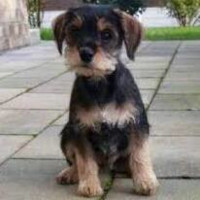
Miniature Schnaupin |
|
He is not recognized by the F.C.I. |
Origin |
Germany -> U.S.A. | |
Translation |
Francis Vandersteen |
A brief presentation of the Miniature Schnaupin |
| Miniature Schnaupins are charming little dogs that are highly intelligent, fun-loving, happy in the wild and good with children. They can be very analytical, really wanting to know how things work, especially toys, even if it means destroying the toy to find out. These dogs are known to be playful, affectionate and quite territorial, they'll bark enthusiastically to let you know when strangers are around and are brave by nature, turning into a perceived threat no matter how big or small. Miniature Schnaupins are excellent family dogs, but they want to be at the center of the family, not stuck on the outside. Perfect companions, they'll fill your day with the laughter of their frolics, then happily take up residence on your lap and enjoy all the attention you can give them. |
History of the Miniature Schnaupin |
| Looking at the parents, Miniature Schnauzer and Miniature Pinscher, we can see where the Miniature Schnaupin got its character. |
A little of the Miniature Schnauzer |
||
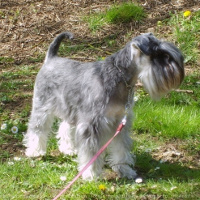
| Miniature Schnauzers were working dogs, bred to guard farms and hunt rats. Looking at these adorable little dogs, it's hard to imagine them in this role, until they maim a toy or chase a bird. While history books lack information on how and when Miniature Schnauzers were developed, it seems that a black female named Findel was the first born in 1888. The two world wars wiped out many dog breeds, particularly in Europe. But passionate breeders worked hard to restore Miniature Schnauzers, whose popularity flourished and has never really waned since. Color popularity may have shifted from red, beige and yellow to shades of silver and black, but the Miniature Schnauzer is here to stay. Determined, affectionate and cute as a button, these tough little dogs deserve the affection and loyalty they inspire in people. | ||
 |
||
| Standard of the Miniature Schnauzer | ||
A little of the Miniature Pinscher |
||
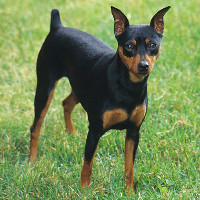
| Believed to have originated in Germany several hundred years ago, the Miniature Pinscher kept stables and homes free of rats. Although it looks like a Dobermann, apart from its size, the Miniature Pinscher is a breed in its own right and is much older than the Dobermann. In 1895, German breeders agreed on a breed standard. Virtually unknown outside Germany, the Miniature Pinscher attended a dog show in Stuttgart, Germany, which highlighted their existence. By 1905, they were very popular and, in 1919, the first Miniature Pinschers arrived in America. In 1929, the American Kennel Club recognized the breed, and these elegant, athletic dogs have remained favorites with many owners who appreciate the dogs' feisty nature and confident personality. | ||
 |
||
| Standard of the Miniature Pinscher |
Appearance of the Miniature Schnaupin |
| Miniature Schnaupins have a cute, almost mischievous face. It often features large, pointed ears that are erect but tilt upwards, a black nose and round, dark eyes that sparkle with life and curiosity. Top it all off with a set of fluffy eyebrows and a pointed muzzle with whiskers and you've got this lively little dog. The body is light and athletic and can be smooth or wavy, as well as multicolored. The short, strong legs may be feathered, depending on the parental genetics they inherit. Puppies may vary in appearance within a litter, and even vary in size or the weight they reach. A medium-length tail is proudly held, and these engaging little dogs have a smile that will elicit a response from all who meet them. |
Temperament of the Miniature Schnaupin |
| Miniature Schnaupins are known for their playfulness and sense of fun. They also like to know how things work, especially toys, which means you can go through a few toys as they take them apart to find out how they work. These little dogs are lively and get on well with children, making them ideal pets. They're companion dogs and will want to be part of the family, ideally the center of attention. The Miniature Schnaupin can sometimes be feisty and over-confident, but responds well to training if it's fun and they receive positive feedback. Training will overcome their tendency to want to do things their own way and curb their somewhat stubborn nature. Coming from a working environment, they are very active and may chase the neighbor's cat or small animals unless they are well socialized when they are young. Training them to curb their tendency to chase anything that moves can take time, so keep them on a leash when out and about. They're also very clever at discovering holes or places where they can scale a seemingly secure fence, so watch out for these little escape artists. They'll love a yard to explore, but can adapt wonderfully to apartment life as long as they take their daily walk or can run around the dog park for about half an hour every day. These dogs are affectionate, friendly and fun. There will never be a dull moment with a Miniature Schnaupin in the house. |
Needs and activities of the Miniature Schnaupin |
| The Miniature Schnaupin is a small dog with a medium to high activity level. Although this can vary between dogs of the same breed, they are normally quite curious and will follow you around to see what you're doing and how they can help. A daily walk is important for their fitness and health, and will help socialize these small dogs with twice the attitude. The hunting instinct is still quite strong, so it's advisable to keep them on a leash as they may take off and practice “selective deafness” to your commands while chasing their prey. They'll be delighted to accompany you on a run or trek - life's an adventure, and they want to be part of it. Afterwards, they'll climb onto your lap and enjoy a good cuddle and a nap. |
Maintenance of the Miniature Schnaupin |
| Miniature Schnaupins are relatively easy to care for, requiring only brushing perhaps once or twice a week to keep them in good health. They have minimal shedding, which makes maintenance very quick, although they'll love to sit and absorb your attention. Because the ears are quite large for their size, it's important to check inside them for foreign bodies like seeds or dirt that can get stuck and cause inflammation. Gentle cleaning will help keep them healthy. Other maintenance issues involve teeth care and hygiene, which is easy to do if the Miniature Schnaupin has learned to have his teeth cleaned. Bathing is only necessary if he's been in the mud or rolled in something unpleasant, but using a mild dog shampoo will maintain the coat's natural oils. Finish grooming by checking their nails and gently trimming them if necessary. |



 English (United Kingdom)

Comments