
 |
BT Walker |
|
He is not recognized by the F.C.I. |
Origin |
Germany <> U.S.A. -> U.S.A. | |
Translation |
Francis Vandersteen |
A brief presentation of the BT Walker |
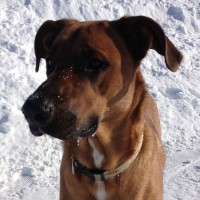
| The BT Walker is a cross between the Treeing Walker Coonhound and the Boxer. It's a big dog with a short, secure coat that's perfect for all types of weather. Due to the fact that both parent breeds are designed for hunting and working, the BT Walker is also a high-energy dog with a great desire to work and be constantly on the move. The BT Walker will most likely be a barker like its parent, the Treeing Walker Coonhound, which loves to bark at anything. If you're looking for a companion dog that's good at hunting and able to alert you to anything suspicious around your property, the magnificent BT Walker may be just the thing for you. This breed is known for being friendly, loyal, playful and protective, which means that while it would make an excellent watchdog, the BT Walker can be territorial and stubborn, so early socialization is advised. |
History of the BT Walker |
| The BT Walker is a new hybrid breed, so we don't know much about its individual history. However, we do know quite a bit about its parent breeds. |
A little of the Boxer |
||
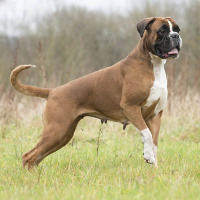
| The Boxer is a wonderful companion dog and is in fact one of the most popular breeds. Boxers were developed in Germany during the 19th century for use in keeping livestock in line on farms. The breed we know and love today was developed in the 1880s and actually began training as police dogs and eventually served in the German army during the First World War. They were registered with the American Kennel Club in 1904 and gradually became beloved again. These dogs are strong, intelligent, fearless, loyal and loving. They make excellent pets, companions and working dogs. | ||
 |
||
| Standard of the Boxer | ||
A little of the Treeing Walker Coonhound |
||
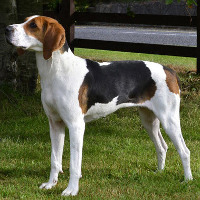
| The Treeing Walker Coonhound has a very interesting name and history. Descended from the English Foxhounds that were brought to America in colonial times, this dog actually had many similarities with the Tennessee Lead. Originally called the English Coonhound, there simply wasn't enough spice in the breed as it was, so some breeders began modifying the breed to have more desirable traits and nicknamed it the Treeing Walker. This breed, although not registered with the AKC, is recognized by the AKC Foundation Stock Service, which is the right thing to do. The Treeing Walker Coonhound is used for Coonhound events today and is best suited for this, as just being a pet is usually more than any owner can handle. | ||
 |
||
| Presentation of the Treeing Walker Coonhound |
Appearance of the BT Walker |
| The BT Walker inherits much of its appearance from the Boxer side of the family, having strong facial features and large legs. It also has an elegant look that mimics that of the Treeing Walker Coonhound, with an alert, active balance to its body, the long tail standing up when excited and big, lively eyes. Since both parent breeds are very attractive and athletic, so is the BT Walker. It's a medium to large breed with loose, floppy ears, a long tail and coat colors that can vary in shades of brown, red and white. Its short, thick coat is perfect for protecting it from all kinds of different weather conditions, but it does shed in season, so be prepared to groom it often. |
Temperament of the BT Walker |
| The BT Walker is a dog with both good and bad traits. He's affectionate, loyal, full of life, friendly and protective of his family. He can also be a little territorial, overly protective if poorly socialized, and tends to bark often. While these bad traits can be annoying, more often than not, they can be curbed by proper training and socialization at a young age. The BT Walker is easy to train, although it can be a little stubborn, perseverance and a gentle but firm hand can help it overcome this stubborn tendency and learn exactly what you want it to do. This breed may not be the best for new dog owners, as they take a lot of training and require a lot of exercise to keep them from becoming destructive. Because of their love of barking, the BT Walker may do better in a more suburban area where they won't have as many close neighbors to annoy. If you're looking for a dog that will keep you on your toes and even go hunting with you, then the BT Walker may be the perfect breed for you. Even though they're very energetic, they make an excellent family dog, just keep in mind that they may do best in a home with older children. |
Needs and activities of the BT Walker |
| BT Walkers have very active parent breeds, so they'll need plenty of physical and mental activity to keep them from becoming destructive. High-energy activities such as hiking, biking and jogging will be perfect for exhausting this energetic dog. He'd also excel at hunting and tracking if you're someone who enjoys these activities. Bear in mind that intelligent, energetic dogs need much more than physical exercise to keep them happy, you also need to carry them mentally. Training is a great way to do this, as are puzzle toys that force them to solve something while they play. If you train and socialize your BT Walker early, you'll have a well-behaved dog eager to spend as much time as possible with his family, without all the drama of too much barking or an overprotective nature. |
Maintenance of the BT Walker |
| The BT Walker is classified as a moderate-maintenance breed due to the fact that they don't require special tools for grooming, but they do shed often. Their short coat is easy to care for and only needs brushing a few times a week to keep shedding at a manageable level. Bathing is only required every few months or so, as BT Walkers don't have a bad dog smell. Bear in mind, however, that if your dog is particularly dirty, you'll want to give him a good bath. It's very important to dry your dog's ears thoroughly after bathing or swimming, and to carry out regular ear cleaning. BT Walkers have folded ears, which can become infected and irritated if moisture remains trapped inside. Thorough drying will help prevent ear infections from recurring. Apart from that, trim your dog's nails every few weeks or so to keep feet healthy and beautiful. |



 English (United Kingdom)

Comments