
 |
Boxollie |
|
He is not recognized by the F.C.I. |
Origin |
Germany <> Great Britain -> U.S.A. | |
Translation |
Francis Vandersteen |
A brief presentation of the Boxollie |
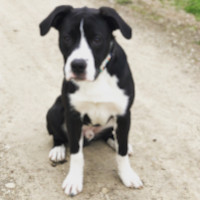
| Energetic and cheerful, the Boxollie is known for its affectionate disposition towards its family. The breed is descended from its two parent breeds, the Boxer and Border Collie. Its country of origin and year of origin are unknown and undocumented. The Boxollie is thought to have originated in Europe when hybrid breeds gained popularity. This alert, courageous canine breed is curious and constantly on the move. Loyal and intelligent, its talents include agility, competitive obedience, breeding and police work. The Boxollie has a short to medium coat that can vary in colors such as brown, white and black. This breed is relatively easy to keep in shape with daily brushing and exercise. |
History of the Boxollie |
| The origins of the Boxollie are unknown and poorly documented. It is suspected that the breed was originally developed in Europe to help eliminate health problems common in its two parent breeds, the Boxer and Border Collie. The Boxollie is not recognized by the AKC due to its hybrid status. |
A little of the Boxer |
||
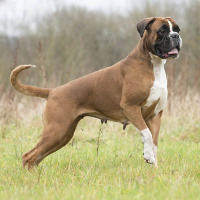
| The German Bullenbeiser is said to be the ancestor of the Boxer. Originally bred for use as a hunting dog, its task was to catch and hold prey until the hunters arrived. Over the years, Bullenbeissers were used to herd and drive cattle on farms. At the end of the 19th century, the modern Boxer was developed. In 1894, the Boxer was modified by three Germans known as Roberth, Konig and Hopner. In 1904, the first Boxer was registered with the American Kennel Club. In 1915, the AKC recognized the first Boxer champion, Sieger Dampf Von Dom. After the First World War, the Boxer was involved in the army and served as a messenger dog, carrying bags and acting as a guard dog. In the 1940s, the Boxer's popularity increased in the USA when soldiers brought them home. | ||
 |
||
| Standard of the Boxer | ||
A little of the Border Collie |
||
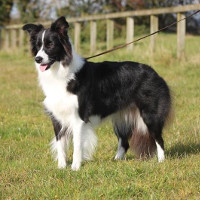
| The origins of the Border Collie are not as well documented. Research suggests that the Border Collie was originally found in wood carvings made by Thomas Beckwith before the 1800s. In 1873, the first documented trial of the sheepdog was completed. In the trial, a dog named Hemp excelled in the trials and is said to have been the father of the Border Collie. The breed was originally used to calmly herd sheep. In 1860, the Birmingham Dog Society organized classes for "Scotch Sheep Dogs", and Queen Victoria is said to have fallen in love with the breed. In 1906, the first breed standard was published. In 1915, the breed name "Border Collie" was officially created in place of "sheepdog". In 1995, the Border Collie was officially recognized by the American Kennel Club. This talented breed is sometimes used as a guide dog for the blind, and frequently excels in agility. | ||
 |
||
| Standard of the Border Collie |
Appearance of the Boxollie |
| Hybrid breeds tend to vary in appearance even within the same litter. The Boxollie generally resembles the Boxer in appearance. Its dense coat varies from short to medium and is water repellent. Color combinations range from black to brown to white. The Boxollie's build can vary from medium to large, depending on the dominant traits it inherits. This athletic breed exudes intelligence and intelligent expression. Its posture contains a muscular essence. Its symmetrical body is proportionate to its body. The tail is generally left natural in the Boxollie. The breed's weight varies from 20.5 to 36 kilos and measures 46 to 63.5 centimeters. |
Temperament of the Boxollie |
| The Boxollie's energy levels are moderate. Daily exercise is necessary to maintain a healthy weight and provide mental stimulation. This breed will like to keep busy, but will also enjoy spending time with you sitting and relaxing. It likes to be around others and enjoys being able to play. Early training should be provided to teach the Boxollie foreign friends and other animals. The Boxollie may show hesitant behavior towards other dogs and small animals due to its initial goal of catching prey. Loving children, this playful breed will enjoy having children to run and play with as long as boundaries are established. Positive reinforcement techniques are recommended for this breed. Firm commands are more likely to be respected. Because of its intelligence, the Boxollie learns quickly and repetition will most likely be unnecessary. |
Needs and activities of the Boxollie |
| The Boxollie has moderate energy levels compared to other dogs. Exercise sessions should last between 30 and 40 minutes a day to ensure your dog gets the right amount every day. Some activities your dog may enjoy are walking, running and retrieving. Apartment living can work if the breed has outdoor access for walking or strolling in a fenced yard. An ideal environment for the Boxollie would be a medium-sized rural home with a fenced yard in a warm climate. An urban environment would also work as long as your hybrid has the appropriate exercise. This breed would not do well in a cold climate. |
Maintenance of the Boxollie |
| The Boxollie is not a hypoallergenic breed and throws moderately compared to other breeds. Daily brushing should be supplemented with a rubber curry brush if the coat is short. If the coat is closer to medium length, a firm bristle brush and comb would work best to remove tangles and keep the coat spotless. If your dog has feathers on its legs, a light trim can be done by a professional groomer. This breed is not known for drooling or possessing strong odors, so there's no need to bathe him so often. Ears, nails and teeth will also need proper attention. Ears should be checked weekly for dirt and wax. Teeth may need daily brushing and generally, nails should be trimmed every two weeks, unless they are wearing naturally. In that case, monthly clippings may suffice. |



 English (United Kingdom)

Comments