
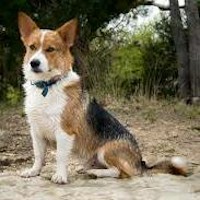
 |
Beagi |
|
He is not recognized by the F.C.I. |
Origin |
Great Britain -> U.S.A. | |
Translation |
Francis Vandersteen |
A brief presentation of the Beagi |
| The Beagi is a friendly little designer dog, developed from the Beagle and the Welsh Corgi Pembroke, sometimes the Cardigan. This breed combination produces a sturdy, low-slung dog with a cheerful, devoted nature. They're intelligent and people-centered, so training should be a breeze, but the Beagle's stubborn disposition can make the training experience a little more challenging. If properly socialized, these handsome little dogs get along with just about everyone, tend to be patient with children and sociable with adults and other dogs, although they may have a tendency to chase other small animals like cats or rabbits. |
History of the Beagi |
| This hybrid was originally developed as recently as the 1990s and is a cross between the Beagle, a tracking dog, and the Welsh Corgi Pembroke, sometimes the Cardigan, a small herding dog. The Beagi is still a new breed, and there can be many variations between different Beagles, often within the same litter. |
A little of the Beagle |
||
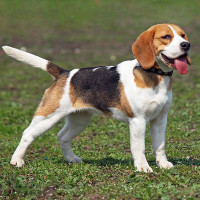
| The Beagle is a rabbit-tracking dog that has been a popular animal both as a hunting companion and family dog for many centuries, and was mentioned in 15th-century writings, often by name. There have been a few changes in the Beagle breed since they first appeared on the scene. Breed standards for the Beagle were first established in the late 1800s, around the same time as the Beagle Club of England and the National Beagle Club in the USA were formed, and the Beagle was recognized by the American Kennel Club in 1885 in the hound category. | ||
 |
||
| Standard of the Beagle | ||
A little of the Welsh Corgi Pembroke |
||
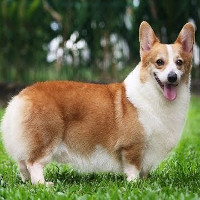
| The Welsh Corgi Pembroke is also an ancient breed of dog, so ancient that its full history may never be known. Many experts believe they are related to the Swedish Vallhund and Flemish Spitz-type dogs brought to Wales in the 11th century, which were then developed and employed as sheep and cattle breeders. The Welsh Corgi Pembroke excels at this work, as they are low enough to touch the heels of cattle, but agile enough to move aside before being struck. The Welsh Corgi Pembroke and Cardigan were frequently crossed until separate clubs were developed in the 1920s, when breed enthusiasts began to differentiate between them. The Pembroke is slightly less heavily boned than the Cardigan, and has feet that point directly forward rather than slightly outward. The Welsh Corgi Pembroke is generally considered the more outgoing and affectionate of the two Corgis. | ||
 |
||
| Standard of the Welsh Corgi Pembroke |
Appearance of the Beagi |
| There can be a lot of variation between dogs in this particular hybrid combination, as puppies can get various traits from either parent. These dogs are small, generally 35.5 centimeters or less in height at the withers and rarely weighing more than 9 kilos unless they are obese. The Beagi's coat is double-layered, with a soft, dense undercoat and a short, protective layer of coarser fur covering it. This coat is available in many colors, and white and black markings are common. They are generally longer than they are tall, although less than their parent breed Welsh Corgi Pembroke, and have broad skulls that can be flat or slightly domed at the back. The Beagi can have the sturdy, square muzzle of the Beagle or the more fox-like tapered muzzle of the Welsh Corgi Pembroke, and although the Beagi's ears are generally large, the Welsh Corgi Pembroke tends to have a vertical, triangular ear, and the Beagle has a long, hanging ear that is rounded at the end, so many variations of these traits are possible with this mixed breed. Like the Beagle and Welsh Corgi Pembroke, Beagi's are generally robust animals, although the long back inherited from Corgi heritage can predispose the dog to back injuries or spinal disorders. Their legs tend to be short and straight, and if the Corgi parentage was of the Pembroke variety, these puppies may be born without a tail, or with just a knot for a tail. |
Temperament of the Beagi |
| Although Beagis are highly intelligent, they can be stubborn and quite difficult to train on occasion. Both parent breeds can be somewhat vocal, and this trait is enhanced when the animal is left alone for too long. If this hybrid is properly socialized and exercised, their barking is usually minimized and they can thrive in an apartment as easily as a larger home. |
Needs and activities of the Beagi |
| The Beagi is a very sociable animal that likes to be the center of attention and can develop separation anxiety if ignored. If well socialized, they tend to be patient and cheerful little dogs that get along with most people, including adults, children and other dogs. They can inherit a strong breeding instinct from Welsh Corgi Pembrokes as well as a strong urge to hunt from their Beagle heritage, which means they may not be as suitable for homes with other small animals such as cats or rodents. |
Maintenance of the Beagi |
| Maintaining this breed combination is a relatively straightforward affair. Beagis are generally clean animals, although they can develop a little doggy odor over time, so they really only need to be bathed every few months or if they manage to get dirty or muddy. Although brushing a Beagi is not a daily task, it is necessary at least two or three times a week to remove dead hairs and keep the coat soft and healthy. Beagis, especially Beagis with floppy ears, can be more prone to developing ear infections, so it's doubly important to check and clean their ears regularly. |



 English (United Kingdom)

Comments