
 |
Basston |
|
He is not recognized by the F.C.I. |
Origin |
Great Britain <> U.S.A. -> U.S.A. | |
Translation |
Francis Vandersteen |
A brief presentation of the Basston |
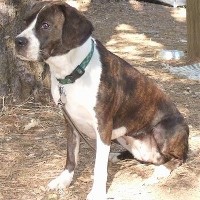
| The Basston is a cross between the Basset Hound and the Boston Terrier. It's a small dog with a big heart that makes a wonderful family dog and pet. As Basset Hounds and Boston Terriers are breeds of equal temperament, the Basston is also even-tempered and very friendly. They are medium-sized dogs with short, fine coats that tend to come in a number of different colors. Although the Basston is highly intelligent, it has a stubborn sequence that is carried over from the Basset Hound side, which means that training will not necessarily be easy for it. If you practice patience and devote plenty of time to training, the Basston will eventually take on board all the cues you teach him. This breed doesn't require too much exercise and will be perfectly content with a short walk and some quality playtime every day. |
History of the Basston |
| Because the Basston is a relatively new breed, we don't know much about their specific origin story. However, we do know a decent amount about the parent breeds, the Basset Hound and the Boston Terrier. When we combine these two unique parent breeds, we end up with the Basston, which is an even-tempered, very affectionate outgoing dog that makes a wonderful pet. This breed does very well with children, cats and other dogs. Although they can be a little difficult to train due to their stubborn sequence, they will eventually catch on and you'll end up with a wonderful companion who will follow you anywhere. |
A little of the Basset Hound |
||
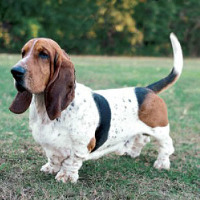
| The Basset Hound originated in France around the 7th century as a hunting dog and companion. Its relaxed, easy-going temperament makes it the ideal family dog for those who want a calm animal that still has enough energy to go out and do something every now and then. The Basset Hound arrived in America in the 19th century, and its popularity has remained solid ever since. | ||
 |
||
| Standard of the Basset Hound | ||
A little of the Boston Terrier |
||
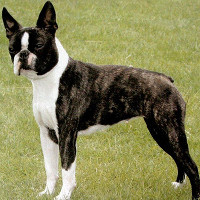
| The Boston Terrier is nicknamed the American Gentleman. It is most likely a cross between the Bulldog and the White English Terrier, which explains the breed's coloring and small size. They were formerly known as Bull Terriers, but changed their name to Boston Terriers in 1889. Originally from the United States, the Boston Terrier was bred to be a best friend and has a cheerful personality. | ||
 |
||
| Standard of the Boston Terrier |
Appearance of the Basston |
| Because neither parent has a soft coat, neither does the Basston. It's short and fine, sits very close to the body and can come in a variety of colors. These dogs are not hypoallergenic, although they appear to be. Shedding occurs moderately throughout the year, however, little care is needed to keep your dog at its best. The Basston is a medium-sized dog with a short muzzle, bright eyes and folded ears. They combine the best features of the Basset Hound and Boston Terrier to create a dog of unique beauty. |
Temperament of the Basston |
| Whenever you combine an intelligent gentleman with an intelligent hunter, you're sure to get a breed of dog that's an excellent balance of calm and optimistic. That's exactly what the Basston is, playful and alert without being overly excited. The Basset Hound was created to be a hunting companion with an excellent nose and intelligence. This breed is calmer and more collected, a little slow as some might say. The Boston Terrier, on the other hand, is lively, intelligent and destined to be the ideal companion dog. Because the Basston has both breeds in him, his temperament can vary from litter to litter. However, the most common Basston temperament would be an easy-going, even-tempered dog with enough energy to carry your children after school, but still calm enough to enjoy a good cuddle on the sofa later. The only drawback to this breed is that it can be a little slow to train. Although extremely intelligent, he has a stubborn sequence that can make burglary and manners difficult to accomplish. However, if you use patience and gentle but firm guidance, your Basston will eventually catch on. So, despite this minor problem, if you're looking for an intelligent dog that's an excellent balance of calm and active, the Basston may be the breed for you. |
Needs and activities of the Basston |
| While the Boston Terrier is known to be a bit energetic, the Basset Hound is not. As far as the Basston is concerned, it's a happy medium between calm and energetic. This means that little daily exercise is needed to keep your Basston happy and healthy, however, it's a good idea to give him at least 20 minutes of physical activity a day. Whether it's a walk, a game of fetch in the yard or a good game of tug-of-war in the house. When the cold weather sets in, your Basston may not want to spend much time outdoors, but as long as you give him good quality playtime in the house, he'll be perfectly content. This breed tends to prefer a warmer climate due to its short coat, but doesn't mind the cold for short periods. All in all, the fact that this breed is not overly energetic and very easy to please makes the Basston a perfect dog for apartments or small homes. |
Maintenance of the Basston |
| Despite the breed's moderate shedding, the Basston requires low to medium maintenance. Because their coat is so short and fine, no tangling occurs and nothing really gets caught in the fur. However, it's a good idea to brush them at least once a week to remove any dirt or loose hairs that may be on the body. A rubber brush would be an excellent tool to use for this job. Bathing should only take place every few weeks or when your Basston is particularly dirty. In addition to brushing and bathing, proper ear care and nail trimming are very important. Because the Basston has folded over the ears, any traces of moisture or foreign objects trapped inside can cause irritation and infection. Always dry your dog's ears thoroughly after bathing or swimming, to reduce the risk of infection. Trim your dog's nails every few weeks, or whenever you hear the nails clicking on the ground while the dog is walking. |



 English (United Kingdom)

Comments