 |
Pugshire |
|
He is not recognized by the F.C.I. |
Origin |
China <> Great Britain -> U.S.A. | |
Translation |
Francis Vandersteen |
A brief presentation of the Pugshire |
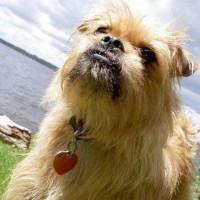
| A small, handsome dog, the Pugshire has inherited the lively nature of the Pug and the affectionate temperament of the Yorkshire. With dogs never weighing more than 10 kilos, they are a diminutive breed with moderate exercise requirements that can adapt well to apartment living. A few short play sessions and a walk or two a day will be more than enough to carry this little one. Even puppies from the same litter can look very different, and since the Pug and Yorkshire are so different in appearance, it's not surprising that there's such variation in their offspring. Most have short to medium coats. Although black and fawn is the most common coat color, there are many other possibilities. |
History of the Pugshire |
| Two of today's most popular dog breeds, it made sense to cross the mischievous Pug with the gentle Yorkshire Terrier. The Pugshire, or Pugshire Terrier, was developed at the beginning of the 21st century in the USA and has been growing in popularity ever since, in the US and elsewhere. |
A little of the Pug |
||
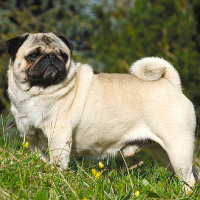
| The Pug is a breed with a long and interesting history. Their origins date back some 2,000 years to ancient China. These flat-faced dogs were a common ancestor for another instantly recognizable dog breed, the Pekingese. The Pug was introduced to Europe in the 16th century by Dutch merchants and quickly became a popular companion dog for aristocrats and royalty. Over the centuries, their appearance has changed somewhat, with the modern dog having a much flatter face than their more robust ancestors. | ||
 |
||
| Standard of the Pug | ||
A little of the Yorkshire Terrier |
||
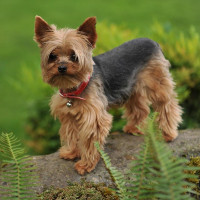
| The Yorkshire Terrier is a particularly famous breed, internationally recognized and with many famous owners. This dog was established in Yorkshire, England, and despite its tiny frame and delicate bone structure, the breed was mainly used as a ratter in mines and other places, a job for which it worked well. It is descended from a mix of similar Terriers, such as Skye Terriers and Black and Tan Terriers. There has been a trend towards breeding smaller and smaller Yorks, and breeders often use the controversial term teacup to describe particularly small individuals. Although one of the smallest dog breeds in the world, these little guys are known for their larger-than-life personalities and don't let their size hold them back. | ||
 |
||
| Standard of the Yorkshire Terrier |
Appearance of the Pugshire |
| The Pugshire's appearance can vary considerably, with some resembling long-haired Carlins and others short-haired Yorkshires. As time goes by, the breed will develop a more uniform appearance, but for the moment, there's a lot of variation in appearance. Most will have rounded skulls and flat foreheads, with small, semi-erect ears hanging forward. A small amount of skin wrinkling can be seen at the top of the skull and between the eyes. Their eyes are a deep brown, giving them a serious, calm expression. Most tend to be less brachycephalic than their Carlin relatives, but their muzzle is often more squashed than that of the Yorkshire. Their small bodies are neat and compact, supported by short limbs. Their tail is usually curled over their back. A toy-sized breed, Pugshires reach heights ranging from 30 to 38 centimeters and weigh from 3 to 9 kilos. Most individuals will have a medium-length, straight, silky coat. Although the coat color is classic with a black face mask, members of a breed can come in many colors, including brindle, gray and black. |
Temperament of the Pugshire |
| Magnificent pets, Pugshires are tolerant and fun-loving. They appreciate time spent with family members and are particularly fond of children. Always happy to be the center of attention, Pugshires are happiest when in a crowded room and surrounded by loved ones. Equally good with other dogs, the Pugshire is sociable and will usually be the life and soul of the party at any dog park or doggy daycare. Dogs that become devoted to their family, it's best to place this breed in a home where there's someone around most of the time, as they can get lonely otherwise. They will follow their master from room to room and are rarely content with their own company. Owners should be aware of the potential risk of separation anxiety, and should ensure that dogs are not excessively mistreated. Always the first to know if someone has arrived, the Pugshire will rise to bark at the first sign of a new host. This makes them superb watchdogs, as nothing escapes their notice. Because of their small size and good temperament, they wouldn't make a good defense dog. |
Needs and activities of the Pugshire |
| Pugshires love to run, jump and play, and should be taken outside for at least an hour's exercise every day. If your dog doesn't get enough physical activity every day, he may become bored or anxious, and some dogs will develop bad habits such as aggression and excessive barking. This breed enjoys playing ball, agility training, swimming, long walks and spending time with other dogs at the dog park. As the Pugshire is small, it's possible to give it enough exercise indoors in bad weather, but it's best to take it outside at least once or twice a day. |
Maintenance of the Pugshire |
| The Pugshire should be brushed at least once every three or four days with a brush or stiff bristle brush. Once a week, you should also take a metal comb and give your dog a thorough grooming, making sure to go under the neck, behind the ears and under the legs. You can wash them with a mild dog shampoo if necessary, but not too often as this will dry out their skin and cause irritation. At least once a month, you should trim his nails and clean his ears. Also, clean their teeth once a week to prevent tooth decay. |



 English (United Kingdom)

Comments