 |
Pugapoo |
|
He is not recognized by the F.C.I. |
Origin |
China <> France -> U.S.A. | |
Translation |
Francis Vandersteen |
A brief presentation of the Pugapoo |
| The Pugapoo is a hybrid dog, the result of crossing a Pug with a Poodle. This mix of genes gives the Pugapoo a longer nose than a purebred Pug, making them less prone to respiratory problems. Both parent breeds have exceptional natures, which are passed on to their puppies. The loving, intelligent and mischievous Pugapoo makes a wonderful canine companion, although their small size makes them physically vulnerable to toddlers. Pugapoos' appearance depends on which parent they take after most. This includes their coat color and type, with some Pugapoos retaining the fawn body and black mask, as well as the smooth coat of the Pug, while others inherit a black, curly coat from the Poodle parent. The Pugapoo tends to reduce shedding, but cannot really be described as a hypoallergenic breed. |
History of the Pugapoo |
| The Pugapoo is a relative newcomer, with a history largely parallel to that of other hybrid breeds. To learn more about the breed, we need to look at the history of its parent breeds. |
A little of the Pug |
||
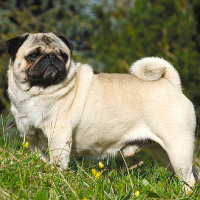
| The Pug is a breed with a long and interesting history. Their origins date back some 2,000 years to ancient China. These flat-faced dogs were a common ancestor for another instantly recognizable dog breed, the Pekingese. The Pug was introduced to Europe in the 16th century by Dutch merchants and quickly became a popular companion dog for aristocrats and royalty. Over the centuries, their appearance has changed somewhat, with the modern dog having a much flatter face than their more robust ancestors. | ||
 |
||
| Standard of the Pug | ||
A little of the Poodle |
||
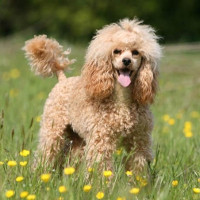
| Poodles are a curly-haired breed that originated in Germany, not too far from where the Pomeranian was established. The three Poodle variants, toy, miniature and standard, offer breeders and owners the choice of having a small, medium or large-sized pet. This feature has ensured their popularity in the hybrid dog market, where they occupy an important place. Poodles are known as water dogs and are traditionally used for hunting on land and in water. Although they are not often considered hunting dogs these days, mainly due to their high-maintenance coat type when working outdoors, they continue to contribute to society by working as therapy dogs and are commonly seen in dog shows and competitions. | ||
 |
||
| Standard of the Poodle |
Appearance of the Pugapoo |
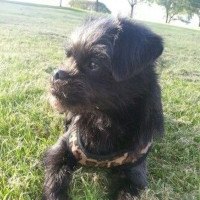
| A hybrid dog inherits a mixture of genes from either parent. Each puppy's characteristics are inherited according to the laws of genetic probability, and even within the same litter, puppies can be very different. The future pet parent of a Pugapoo will find the litter made up of dogs, ranging from the long nose and curly coat of the Poodle to the flat, fawn coloration of the Pug. In reality, however, the majority of Pugapoo puppies are a mix of both traits. A Pugapoo is most likely to have a slightly elongated nose and floppy ears. Their coat texture can range from smooth to curly. Indeed, if they have a curly coat, trimming may be necessary, while a shorter or smoother coat requires regular brushing. Coat colors range from fawn with a black mask to black, apricot or even white. The physique of a stocky Pug and an athletic Poodle is very different, and again, the Pugapoo reflects this. Midway, a Pugapoo is likely to be small in stature with a reasonable leg length and a slim to stocky body. A fascinating feature is their tail, which can be the classic curly doughnut of the Pug resting on their rump, or the straight, wagging whip of the Poodle. |
Temperament of the Pugapoo |
| It's hard to fault the Pug or Poodle temperament. Both are loving and loyal, and delightful characters to boot. Arguably, the Poodle has more intelligence than the Pug, but as a reward, the Pug has added the cuteness factor. Fortunately, the Pugapoo is a happy dog who likes to be around people. What can also be said is that they're bright dogs who like to know what's going on. A bored Pugapoo will create its own entertainment, which includes chewing, digging or barking. Indeed, these little dogs can have a big voice, which the neighbors won't appreciate. Be prepared to give a Pugapoo plenty of exercise and attention to avoid nuisance barking. In terms of suitability for being with other pets and children, the Pugapoo ticks both boxes. However, be aware that the Pugapoo's small size makes them physically vulnerable if children get too agitated. So it's best to wait until the children are older and know how to behave properly with a small dog. |
Needs and activities of the Pugapoo |
| The Pugapoo is a fairly active dog. He'll enjoy short, brisk walks around the neighborhood with you, as well as trips to the dog park. Again, he needs mental stimulation as well as physical activity. At the very least, your Pugapoo will need at least 45 minutes of playtime a day. When he's younger, he may need an hour to an hour and a half of activity time. As he may be brachycephalic, you should be encouraged to reduce activity time to smaller amounts. Brachycephalic syndrome is caused by a short muzzle and can have adverse effects on the affected dog's breathing. Never allow your Pugapoo to become overexcited and avoid overheating. Keep a bottle of water handy when exercising your dog. You may need to give him water and allow him to cool down a little in very hot weather. |
Maintenance of the Pugapoo |
| The Pugapoo generally doesn't require much maintenance, but exactly how much grooming he needs depends on the type of coat he inherits. If he inherits the short, straight coat of his Carlin parent, grooming will be a breeze. A weekly brushing, simply to remove dead hairs, is all he would need to keep his coat healthy. If he inherits the longer hair of his Poodle parent, whether his coat is straight or curly, he'll need a little more time for maintenance. Bathe him once every three to six weeks if he has longer hair. If he inherits the short coat, bathe him only when necessary. The natural oils in his coat will keep it shiny and healthy. Brush his teeth two or three times a week to prevent bad breath and tartar build-up. To prevent tooth decay, however, brush her teeth every day. Cut her nails every two or three weeks. |



 English (United Kingdom)

Comments