
 |
Alaskan Noble Companion Dog |
|
He is not recognized by the F.C.I. |
Origin |
Alaska | |
Translation |
Francis Vandersteen | |
En français, cette race se dit |
 |
Chien de compagnie noble d'Alaska |
Diese Norm ist in deutscher Sprache sichtbar |
 |
Edler Begleithund Alaskas |
En español, esta raza se dice |
 |
Perro de Compañía Noble de Alaska |
In het Nederlands, wordt dit ras gezegd |
 |
Edele gezelschapshond van Alaska |
|
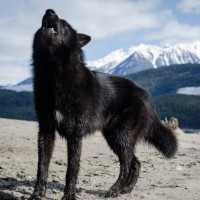
If you appreciate the appearance of wolves and wolfdogs, you'll be captivated by the look of the Alaskan Noble Companion Dog, as these dogs are bred to resemble wolves. At first glance, Alaskan Noble Companion Dogs are athletic, muscular, and agile. Their average height is between 66 and 84 cm, and their average weight is between 27 and 50 kg. Some individuals, particularly males, can be larger. This dog always has a very dense and fairly long double coat. The coat length can vary slightly and falls between that of the German Shepherd and the Alaskan Malamute. These dogs shed, and to minimize shedding, regular, even daily, brushing is necessary. However, it is impossible to completely stop the shedding process. Furthermore, thanks to their dense coat, these dogs are able to withstand very cold temperatures. These dogs generally have light-colored eyes. Typical colors are green, yellow, amber, and blue. Dark brown eyes are rare in this breed. These dogs can also, though more rarely, exhibit heterochromia, meaning they have one eye of a different color.It is clear that these dogs resemble wolves, which raises a legitimate question: are they wolfdogs or simply dogs with a wolf-like appearance? Although some claim they have no wolf blood, all the DNA tests I have consulted on Alaskan Nobles have revealed a certain proportion of wolf genes in this breed. Some had a relatively low percentage, around 10%, while others had a very high percentage, even exceeding 30%. Breeding began several decades ago, in the 1990s, and the breeds used were the Alaskan Malamute, the Siberian Husky, and the German Shepherd. Subsequently, these dogs were crossed with other breeds to adjust their temperament. These breeds include the Labrador Retriever, the Border Collie, the Great Pyrenees, and the Greyhound. It is important to note that this breed is not officially recognized and is still developing. It is unlikely to be recognized by a major kennel club in the near future. One of the reasons that makes official recognition of this breed difficult is the heterogeneity of its temperament. Alaskan Nobles with a low percentage of blood are generally easier to live with as companion dogs than those with a high percentage. Ideally, low-blood Alaskan Nobles are highly intelligent, loyal, hardworking dogs capable of excelling at various tasks, but this isn't always the case. These dogs are often very intelligent and excellent at problem-solving, but this doesn't mean they are easy to train, as they can also be very independent. Therefore, they need a patient and consistent trainer who can set boundaries. It's important to remain positive and use positive reinforcement during training, meaning always praising and rewarding the dog for good behavior. Patience and consistency are essential when training any breed of dog. This is not a dog for novices or inexperienced owners. These dogs are generally very vigilant, alert, and observant, especially around strangers. It often takes time for a stranger to trust them. Alaskan Nobles are very loyal to their families, but they are not as affectionate as some other breeds. Alaskan Nobles also need plenty of exercise. These dogs are perfect for people who love the outdoors and long walks or hikes, as they will enjoy them just as much. It is important to stimulate their mind and body with regular exercise, play, obedience training, or even participation in a dog sport such as sledding or bikejoring. A lack of exercise can lead to undesirable behaviors, such as destructiveness. These dogs have a very evocative name. They are called "Alaskan" because of their Nordic appearance, "Noble" for their elegance, and "companion dogs" because they were bred to be excellent companions. There are no scientific studies on the health of this breed, but most owners report that their dogs are healthy. However, some Alaskan Noble owners do experience health problems, but these appear to be relatively rare. Reported health issues include digestive upset and diarrhea, seizures, pannus, angular leg deformities, and hip dysplasia. |



 English (United Kingdom)

Comments