
 |
Corgi Pit |
|
He is not recognized by the F.C.I. |
Origin |
Great Britain <> U.S.A. -> U.S.A. | |
Translation |
Francis Vandersteen |
A brief presentation of the Corgi Pit |
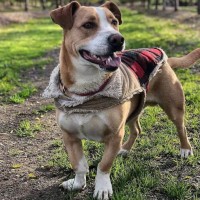
| Competitive, clumsy and cheerful, the Corgi Pit is a medium-to-large hybrid breed developed from the Welsh Corgi Pembroke and the American Pit Bill Terrier. Although the breed's origins are not well documented, the Corgi Pit is a breed that gets into mischief with its owners. The Corgi Pit is an average barker, but won't bother you as long as it receives proper training. Although its appearance can vary, it can inherit traits from both parent breeds due to the lack of a breed standard. This comical dog is generally described as intelligent with a sense of humor. Maintenance is relatively simple, and it requires moderate daily exercise. |
History of the Corgi Pit |
| It is suspected that the Corgi Pit was originally developed as a result of the creative dog trend that exploded onto the scene around 20 years ago. The Corgi Pit was developed from its parent breeds: the Welsh Corgi Pembroke and the American Pit Bull Terrier. |
A little of the Welsh Corgi Pembroke |
||
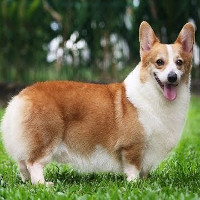
| The Welsh Corgi Pembroke originated in Pembrokeshire, Wales. The name "Corgi" comes from the Celtic word for "dog". The Welsh Corgi Pembroke is thought to have been developed in the 10th century. Farmers needed a dog capable of driving livestock successfully and discovered that the Corgi was able to bite its ankles, effectively moving the animal without harming it or causing agitation. The Welsh Corgi Pembroke gained popularity after it became a favorite in the household of Queen Elizabeth II. In 1934, the breed was officially added to the American Kennel Club's list of pure breeds. | ||
 |
||
| Standard of the Welsh Corgi Pembroke | ||
A little of the American Pit Bull Terrier |
||
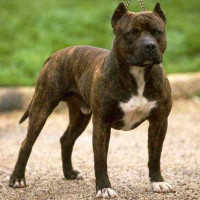
| In the 19th century, the ancestors of the American Pit Bull Terrier were used for bull-baiting. By 1835, sports and shows were deemed inhumane and illegal, so dogfighting eventually took its place. At the time, aggression was integrated into the bloodline to create stronger dogs. The handlers involved in the dog-fighting process wanted a dog that wouldn't bite humans themselves, so as to have the ability to successfully separate dogs. The American Pit Bull Terrier earned a reputation as a protective, family-oriented dog. When the breed was imported to America, their new jobs were to hunt wild game, guard property and provide companionship. In 1898, the UKC officially named the breed the American Pit Bull Terrier. The American Kennel Club decided to raise the American Pit Bull Terrier to conformation standards and renamed it the American Staffordshire Terrier. | ||
 |
||
| Presentation of the American Pit Bull Terrier |
Appearance of the Corgi Pit |
| The Corgi Pit currently has no breed standard and will inherit traits from either parent breed. Many Corgi Pits have the stocky, athletic build of the American Pit Bull Terrier. The face is generally longer on the muzzle, favoring the Welsh Corgi Pembroke. Its body is generally medium to large in size, and its shape and stature depend on the individual dog. Its floppy ears resemble those of the American Pit Bull Terrier. Eyes vary from brown to blue. The tail is always long, and the coat is short, dense and water-repellent. Straight legs and powerful paws are indicative of a strong breed. |
Temperament of the Corgi Pit |
| The Corgi Pit can be a strong prey dog. Early training and socialization are highly recommended to ensure that your dog remains friendly with everyone. He may be reluctant to be friendly with a stranger. With time and patience, your playful dog will accept others. However, he is protective of his family and will protect you with his life. The Corgi Pit is strong-willed, but also has a great sense of humor. Its zany personality will keep you entertained for hours. Positive reinforcement is essential when training your Corgi Pit. Rewarding him for good behavior isn't a bad idea, teaching him commands is relatively simple as he'll be eager to listen and follow as long as he has treats. |
Needs and activities of the Corgi Pit |
| The Corgi Pit contains moderate energy levels and will require at least 45 minutes of exercise a day. Because your hybrid has a background that involves breeding and hunting, he'll appreciate exercise that involves a task. In addition to walking him a few times a day, try agility training or obedience trials. Practicing short obedience sessions will occupy his mind, give him bursts of activity and hone his listening skills. |
Maintenance of the Corgi Pit |
| The Corgi Pit is not considered a hypoallergenic breed and will shed moderately. Daily brushing for 15 minutes with a pin or smooth brush will keep the coat clean and also provide opportunities for bonding with your pet on a regular basis, an important and joyful time for both owner and dog. Some Corgi Pits are prone to sensitive skin. Therefore, when bathing him, it may be useful to use a hypoallergenic shampoo to avoid any irritants. Ask your vet for the best product to use, as the parent American Pit Bull may have sensitive skin. Don't forget teeth and nails. Teeth should be brushed several times a week and nails trimmed every two weeks, especially if they grow quickly. |



 English (United Kingdom)

Comments