
 |
Bullypit |
|
He is not recognized by the F.C.I. |
Origin |
U.S.A. -> U.S.A. | |
Translation |
Francis Vandersteen | |
This breed is also known as |
American Bully
|
A brief presentation of the Bullypit |
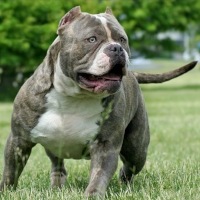
| The Bullypit is a combination of the American Bulldog and the American Pit Bull Terrier. The result is usually a large dog with a short, glossy coat that comes in many colors, including brown, chocolate, black and white. They are muscular, stocky, with small pointed ears and a big smile. Most are friendly, making good pets and fierce watchdogs. Bullypits are intelligent and moderately easy to train as they strive to make their owners happy. However, they need consistency and positive discipline. This breed is confident and self-assured, so it responds best to someone with similar manners. |
History of the Bullypit |
| The Bullypit hasn't been around long enough to have much of a history, so it's best to look at the history of its parent breeds. |
A little of the American Bulldog |
||
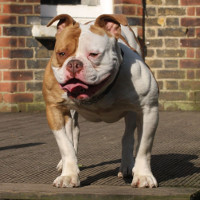
| The American Bulldog originated in the United States in the 1700s. They were originally bred to fight cattle and bait bulls, but the latter was banned in 1835. The belief was that bull meat was better if baited before slaughter. After this was banned, some breeders tried to use them as fighting dogs, but this failed. All American Bulldogs were bred from Johnson, Baily, Scott or Williamson stock. Today, this breed is generally used as a guard dog or pet. They're great watchdogs because they're loyal and incredibly fearless. | ||
 |
||
| Presentation of the American Bulldog | ||
A little of the American Pit Bull Terrier |
||
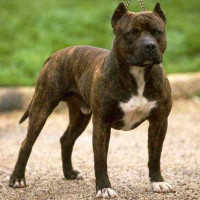
| The American Pit Bull Terrier has been around since the 19th century, bred in the UK by crossing a Bulldog with a Terrier. The reason for this was to produce a dog with the athleticism and strength of a Bulldog with the eagerness of a Terrier. Like the Bulldog, the American Pit Bull Terrier was originally used for fighting and bull baiting. Unfortunately, the American Pit Bull Terrier has acquired a bad reputation over the years as an aggressive breed, but this is not true. They are not normally aggressive with humans or other domestic animals unless they are mistreated or treated aggressively. This breed is just braver and more competitive than most. The Bullypit is likely to have the same characteristics as these two breeds because they are so similar. | ||
 |
||
| Presentation of the American Pit Bull Terrier |
Appearance of the Bullypit |
| The Bullypit has a short, smooth, glossy coat that can come in almost any color, including white, brown, black and chocolate. They have a large head, short muzzle, big mouth, deep chest and strong, firm back. Their tails are long and tapered, and their legs are short, stocky and well-defined. They have large feet in proportion to their legs. Bullypits generally stand around 63.5 centimeters tall and weigh between 22.5 and 45 kilos, depending on the size of their parent breeds. Their big mouths can sometimes give them the impression of smiling at you, and they sometimes have a comical expression. |
Temperament of the Bullypit |
| Although the Bullypit can appear fierce and can certainly be a scary watchdog, this breed is very gentle and cuddly with its family. If you socialize them when they're young, you should have no problem getting your Bullypit to get along with any animal in your home, although they can chase squirrels and rabbits outside just like any other dog. You need to make sure your Bullypit knows that you're the leader of the pack in your home so he knows he can't have his way. Bullypits are easy to train as long as they know who's boss, and you need to remain consistent and not use aggressive punishment at all times. This can make your dog aggressive in return. |
Needs and activities of the Bullypit |
| Your Bullypit likes to stay active and needs at least one hour to 90 minutes of moderate exercise a day. Without proper exercise, your Bullypit is likely to get bored and immerse himself in things he's not supposed to do, like chewing furniture or anything else he can find. Taking your dog for a walk around the neighborhood or a trip to the dog park are both excellent choices. In addition, most dogs of this breed enjoy playing fetch or chase with other pets. The Bullypit is also good at agility training, and they are excellent in competitions of all kinds. |
Maintenance of the Bullypit |
| You don't need to brush your Bullypit very often because of its short hair. A quick brushing with a soft bristle brush once or twice a week should be enough to minimize shedding. There's no need to shampoo your dog unless necessary, as bathing too often can lead to dry skin. Once a week, while cleaning your dog's ears, you should check for redness, wax build-up and mites. Be sure to brush your dog's teeth at least once or twice a week with a toothpaste specially designed for dogs, and trim his nails if necessary. |



 English (United Kingdom)

Comments