 |
Be-Apso |
|
He is not recognized by the F.C.I. |
Origin |
Great Britain <> Tibet -> U.S.A. | |
Translation |
Francis Vandersteen |
A brief presentation of the Be-Apso |
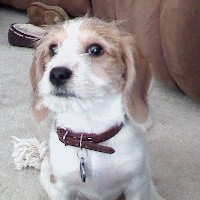
| The Be-Apso is a hybrid dog whose parentage comes from the Beagle crossed with the Lhassa Apso. Taking the best qualities of each breed, you'll find that Be-Apso dogs are more independent than most. They are curious by nature, exploring everything around them. This breed can be highly protective and very loyal. Although they are not the easiest dogs to train, with patience, training can be achieved. Consistent commands and training practices, combined with praise, are more effective than harsh words, as the Be-Apso is quite sensitive by nature. They're moderately active and don't require much exercise, so they're just right for owners who can't get out often for whatever reason. |
History of the Be-Apso |
| The Be-Apso is thought to have originated in the United States of America. This hybrid mix of Beagle and Lhassa Apso is a popular breed, combining the mischievous, inquisitive nature of Beagles with the regal but happy characteristics of the Lhassa Apso. Although little information is available about this new hybrid breed, we can ask the parent dogs for clues about this dog. |
A little of the Beagle |
||
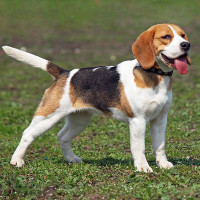
| The Be-Apso can thank the Beagle for their lineage, as Beagles date back to Roman times. In the mid-1800s, they developed hunting skills and with their amazing noses are used today, particularly for drug detection work at major airports. They are super sleuths with an uncanny ability to follow whatever they are told to follow. Their gentle nature and ability to entertain make them popular with owners, although they have been known to team up with family children and get into mischief. The Beagle also has selective deafness, in other words, when it suits them, they listen, when it doesn't, they pretend not to hear you. | ||
 |
||
| Standard of the Beagle | ||
A little of the Lhassa Apso |
||
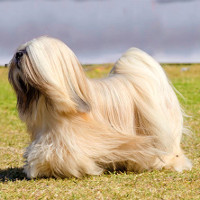
| The Be-Apso has nobility in its history with the canine heritage of the Lhassa Apso. The Lhassa Apso dog is considered sacred in Tibet and named after the holy city there. The lineage of the Lhassa Apso dog goes back thousands of years, to 800 BC, when it was bred by nobility and monks to guard them. In 1933, the 13th Dalai Lama offered pairs of these dogs to selected people deemed worthy, and so the Lhassa Apso spread to other countries. They arrived in America in 1933 via a gift to Suydam Cutting, a renowned naturalist, who founded the kennels where they were the foundation of the breed. | ||
 |
||
| Standard of the Lhassa Apso |
Appearance of the Be-Apso |
| The Be-Apso is a small, compact dog with a solid body. The Be-Apso's legs are short but strong. They combine the delicate characteristics of both parent breeds and have an attractive appearance. The combination of breeds means its grooming needs are easier, as the coat is shorter and more manageable. The head is small and delicate, with an almost button nose and round dark eyes framed by rounded ears. Their body is proportionate to the head, with a long-haired tail, a cross between the long, narrow tail of Beagles and the high, fluffy tail of Lhassa Apsos. Soft, rounded paws complete the picture of this attractive character dog. |
Temperament of the Be-Apso |
| The Be-Apso is an inquisitive, watchful dog that is also somewhat mischievous and affectionate. Although they have a gentle friendly attitude and love to play, they can also be very protective and determined. Be-Aspo can be reserved with strangers until they get to know them, and are good at alerting owners when someone unbeknownst to them is around. They are excellent family dogs, known to follow you from room to room to see what you're up to. Their breeding also shows an independent nature and these dogs are ready to be left to their own devices, they have no anxiety problems. Their mischievous side can make them somewhat clownish in very amusing behavior. But they have strong will power and need a strong leader, or they'll think they're the boss of the house. The Be-Apso can be stubborn to train, but responds best to consistent rules and patience combined with praise and rewards. |
Needs and activities of the Be-Apso |
| The Be-Apso requires moderate exercise, and as it grows, is content with one or two short walks a day. They need to go out at least once a day if they live in an apartment. The occasional walk to the dog park to run and play will make your dog's day and allow him to burn off some energy, as well as socialize with other pets and people. If you have a house with a yard, make sure it's well fenced to prevent the dog from wandering off. The Be-Apso is quite adaptable to the climate, accepting cooler and warmer climates, but preferably not extreme ones. They adapt well to city or rural areas, are perfect in an apartment and do well with or without a yard as long as they get regular daily walks. |
Maintenance of the Be-Apso |
| Be-Apsos have moderate grooming needs. They should be brushed three times a week to keep their coats healthy. Although they may be hypoallergenic, this is not guaranteed, as it depends on the percentage of heritage of each parent breed. Bathing too often dries out the Be-Apso's skin. We recommend using a special dog shampoo designed for sensitive skin. When grooming, be sure to check the ears, as they can accumulate debris and become inflamed. All you need to do is wipe the ear with a damp cloth, never push anything into the delicate ear canal in case of injury. While your dog is a puppy, familiarize him with grooming handling procedures, especially ear checks and tooth brushing. This will make your job easier as your dog grows. These dogs need to socialize early with children and other pets, but are generally affectionate and even protective towards them. |



 English (United Kingdom)

Comments