 |
Beagle Shepherd |
|
He is not recognized by the F.C.I. |
Origin |
Great Britain <> Germany -> U.S.A. | |
Translation |
Francis Vandersteen |
A brief presentation of the Beagle Shepherd |
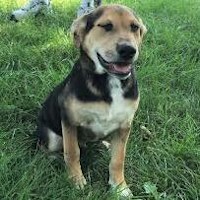
| The Beagle Shepherd is the offspring of a Beagle and a German Shepherd. Because both parents are purebred, the Beagle Shepherd is considered a specific crossbreed. This pretty canine breed will be of medium size. Its coat will be dense and perhaps short to medium, and the shedding level will be medium to high. Described as energetic, highly intelligent, loyal and faithful, the Beagle Shepherd is a protective dog that makes a good watchdog. A good companion too, if you're the active type, the Beagle Shepherd could be the right choice. |
History of the Beagle Shepherd |
| The term Beagle is said to derive from the old French word becquele, meaning noisy person or open throat. The term was probably used because of the breed's loud noise. The bark is like a loud howl, alerting the hunter that his pack has located the prey. It's the hound's way of saying over here, and the hunter can then follow the barking. The term Beagle was not used until 1475. |
A little of the Beagle |
||
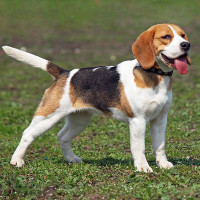
| Beagle-type dogs have been bred in England for rabbit hunting since the 1300s. The original Beagle was a pocket dog. Beagles were imported to the United States in the 1860s. The Beagle was accepted as a breed by the American Kennel Club in 1885. As of 2017, the American Kennel Club ranks the Beagle breed in the top 10 popular breeds. Beagles are not only excellent companions and celebrities, they are also working dogs. The U.S. government has been training Beagles since 1984 to patrol airports, cargo facilities and sea and border entry points. The Beagle uses its keen sense of smell to prevent illegal drugs, contraband food and plants from entering the United States. | ||
 |
||
| Standard of the Beagle | ||
A little of the German Shepherd Dog |
||
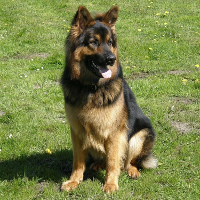
| The German Shepherd originated in Germany in the 1800s and was originally bred as a sheepdog. They were protective and vigilant over the herd. The German Shepherd would not only bring back a lost sheep, they would also fight off predators. In 1891, the Phylax Society was formed to create established standards for the breed. Unfortunately, they could not agree whether the German Shepherd should be bred to be solely a working dog, or whether breeding should also focus on its appearance. The Phylax Society disbanded after three years. In 1899, a former member of the Phylax Society, Max von Stephanitz, attended a dog show. In the show was a dog named Hektor Linksrhein, which was the result of selective breeding. Mr. Stephanitz was impressed by Hektor's appearance, intelligence and strength. He bought Hektor and renamed it Horand von Grafrath. Mr. Stephanitz went on to found the German Shepherd Dog Society. His dog Horand was the first German Shepherd added to the society's breed register. Horand was then bred with other German Shepherds that had the appropriate characteristics. The German Shepherd gained popularity throughout Europe. Over 80,000 German Shepherds were recruited by the Germans during WWI and WWII. In 1993, they became the third most popular breed in the United States. As of 2017, the German Shepherd is the second most popular dog in the United States. They are currently used for police work, military work, search and rescue, guard dogs, drug detection, therapy dogs and guide dogs. The breed is highly intelligent and loyal. | ||
 |
||
| Standard of the German Shepherd Dog |
Appearance of the Beagle Shepherd |
| The characteristics of the Beagle Shepherd will be a combination of its parents. Most Beagle Shepherds have floppy, floppy ears. The Beagle Shepherd is a medium-sized dog. Its coat is dense and can be short to medium. Beagle Shepherds are strong, robust and muscular. They have dark, almond-shaped eyes that are alert and full of expression. Their muzzle is medium to long, with a black nose. The Beagle Shepherd will most likely have a long tail. An attractive face gives the impression of a trusted friend. |
Temperament of the Beagle Shepherd |
| The Beagle Shepherd's temperament will be a blend of Beagle and German Shepherd personalities and traits. Beagles are energetic, playful and active. They are adorable, affectionate and gentle. They can be a little stubborn and should have early obedience training and socialization. Beagles don't like to be left alone and can suffer from separation anxiety. German Shepherds are loyal, confident, intelligent and courageous. They make loving family companions. German Shepherds are highly trainable and enjoy working on tasks such as athletics and agility training, and being a therapy dog. The breed is protective by nature, making it a good watchdog. He should be socialized with strangers and other dogs at an early age. If properly socialized, the German Shepherd is not aggressive. Beagle Shepherds are good with children, although small children should always be supervised when around a dog. |
Needs and activities of the Beagle Shepherd |
| The Beagle Shepherd is a family dog that will need attention and consistency in its commands. To avoid boredom, it should be provided with chew toys and interactive toys. Because of its scent, the Beagle Shepherd should not be left off leash. Because they suffer from separation anxiety, this hybrid will benefit from a pet sitter who will take them for a lunchtime stroll while you're at work. The Beagle Shepherd should not be left unattended in a backyard, as it can easily dig in and get lost or injured. If your curious Beagle Shepherd gets lost, it can be scanned by a rescue group and traced back to you. |
Maintenance of the Beagle Shepherd |
| The Beagle Shepherd has a short to medium dense coat, which requires regular combing and brushing. A comb will work well to remove any loose hairs, as well as detangle the coat and remove debris. Bathing can be done monthly. Their floppy ears should be cleaned with an ear wash every week, but beware of moisture build-up, so make sure the ear is well dried after each cleaning. To prevent tartar build-up, teeth should be brushed twice a week. Nails should be trimmed monthly, but as he's an active dog, the risk of nail breakage or cracking is high if they're left too long. If your Beagle Shepherd's nails grow rapidly, trim them every two weeks. |



 English (United Kingdom)

Comments