
 |
Yorkie Beagle |
|
He is not recognized by the F.C.I. |
Origin |
Great Britain -> U.S.A. | |
Translation |
Francis Vandersteen | |
This breed is also known as |
Borkie |
A brief presentation of the Yorkie Beagle |
| The Yorkie Beagle's name says it all: the result of the combination of a Yorkshire Terrier and a Beagle, the Yorkie Beagle, also commonly known as the Borkie, displays many physical and personality traits that are endemic to both parents; the Borkies have a coat similar to that of the Yorkshire Terrier, but their general structure and musculature are closer to that of the Beagle. Both the Borkie's parents were born and bred as hunters, and these traits are reflected in the Yorkie Beagle's more energetic, bubbly demeanor. The Yorkie Beagle is a family dog with lots of love and energy to spare. |
History of the Yorkie Beagle |
| Yorkie Beagles are designer dogs that were bred just a few decades ago, in the 1990s. They were bred to try to capture the most desirable traits of the Yorkshire Terrier and the Beagle, both of which were bred specifically for hunting. Although the Borkie is not a renowned hunter like either of its parents, it has inherited a number of traits from both species that are strongly reflected in the Yorkie Beagle's mindset, manners and appearance. Yorkie Beagles are relative unknowns in the animal world; like many other designer breeds, their history is, so to speak, still in the making. But the relatively few people who have had the pleasure of owning a borkie can attest to the breed's great capacity for love, care and companionship. Borkies may not be as well-known hunting dogs as their relatives, but they are beginning to be recognized as excellent pets. |
A little of the Yorkshire Terrier |
||
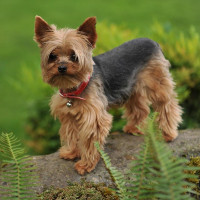
| The Yorkshire Terrier may be small, but it has all the ferocity of the larger Terriers. They were bred in Yorkshire, England, to enter mines and kill rodents. Many hunters also used these dogs to chase foxes and badgers into their dens, as the Yorkshire slipped easily into the small holes of the dens. It is thought that many dog breeds were used to create the Yorkie. The Manchester Terrier, the Paisley Terrier, the Dandie Dinmont Terrier, the Maltese, the old black and tan wire-haired English Terrier and the Skye Terrier are all thought to have helped create the feisty Yorkie. In the late 1800s, the breed began to be imported from the UK to the USA, where it quickly gained popularity. The American Kennel Club first recognized the breed in 1885, and the breed was entered in the companion dog group. | ||
 |
||
| Standard of the Yorkshire Terrier | ||
A little of the Beagle |
||
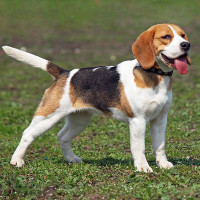
| Beagles are beautiful hunting dogs renowned for their easy-going nature and cheerful disposition. Beagle-type dogs have been used for hunting for over 500 years, but it wasn't until the 19th century that the Beagle we know and love today was created. Beagles are descended from Foxhounds and other hunting dogs. They were developed to hunt prey close to the ground, especially rabbits and hares. Although originally from Great Britain, they have made an impression overseas and are extremely popular in America. As well as being excellent companion dogs, Beagles are also used as sniffer dogs by the police and at airports. Their exceptional sense of smell and love of tracking set them apart from their canine peers in this type of work. | ||
 |
||
| Standard of the Beagle |
Appearance of the Yorkie Beagle |
| These cute, lovable dogs have very definite and recognizable physical characteristics, such as their round face and long, silky coat that gives them an immaculate, healthy appearance. Borkies tend to extract more physical traits from one parent than the other, such as the floppy ears of the Beagle or the fluffy appearance of the Yorkie. Borkies have small rice-shaped teeth and brown button eyes. They have shiny black noses and tend to have predominantly brown coats, although these may be streaked with black, gray or white. Borkies are generally medium-sized dogs, but they can also be smaller and more compact. The Yorkie Beagle's appearance is very comforting and non-threatening overall, so children and other dogs often find themselves drawn to the Borkie's magnetically cute mien. |
Temperament of the Yorkie Beagle |
| Borkies are well-mannered breeds and possess many personality traits that make them ideal family dogs; they are very patient and compassionate beings who are excellent with children and other dogs. The Borkie is a playful and fairly intelligent dog that places particular importance on family and the relationship it shares with its master. Borkies will, however, try to stay by your side and follow you constantly, as they are very social creatures who tend to panic if left alone for long periods. These dogs are full of compassion and affection, but they also need to feel safe and watched over at all times. Borkies, on the other hand, won't cause too much of a mess, and are on the whole very even-tempered. |
Needs and activities of the Yorkie Beagle |
| As a small dog, the Borkie doesn't need much exercise. A good 45-minute walk is usually enough to keep a Borkie supple and lean, as these dogs are considered to be medium-activity breeds. So be careful not to overwork your Borkie with too intensive a workout. Borkies are very playful and can inherit the Beagle's keen sense of smell, prompting them to go after various scents and odors, but on the whole, the Borkie's energy levels remain within the limits for a breed of this size. |
Maintenance of the Yorkie Beagle |
| Hybrid dogs bred by designers tend to borrow more traits from one parent than the other, and Borkies are no exception to this general rule. If a Borkie shares more traits with its Yorkshire Terrier parents, it may be hypoallergenic and occasionally shed. But if the Borkie favors the Beagle, he'll shed more often and won't possess any potential hypoallergenic traits. Borkies need to be groomed several times a week, and should be taken to a professional groomer on a regular and consistent basis. Their nails will also need trimming, for the comfort of both Borkie and owner, so be sure to plan to meet this dog's pedicure needs. |



 English (United Kingdom)

Comments