
 |
Shibadox |
|
He is not recognized by the F.C.I. |
Origin |
Japan <> Germany -> U.S.A. | |
Translation |
Francis Vandersteen |
A brief presentation of the Shibadox |
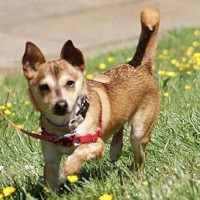
| The Shibadox is a hybrid mix of Shiba and purebred Dachshund. The appearance of the Shibadox can vary, but it often has the lively, happy expression of the Shiba and the low appearance of the Dachshund. The Shibadox is not a well-known hybrid and is currently recognized by only two registries of related competitive breeds: the Designer Dog Registry and the International Designer Canine Registry. The two related breeds, despite their respective origins and very different appearances, were bred for small game hunting, but the Shibadox is now considered a companion dog and, thanks to the Shiba's genetic baggage, is considered a healthy hybrid. |
History of the Shibadox |
| The Shibadox is a remarkably healthy cross between the purebred Dachshund and the Shiba. Despite its good looks and health, this designer dog is not well known, and documentation on the breed is limited. Only two related breed registries currently recognize the hybrid. The Shibadox can be registered with the Designer Breed Registry or the International Canine Designer Registry. Neither of these registries has any current information on this hybrid, but owners wishing to understand the history and character traits of their Shibadox can consult the respective histories of the parent breeds. |
A little of the Shiba |
||
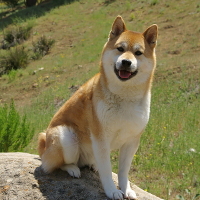
| The Shiba is an ancient dog that developed alongside the Akita in Japan, but is smaller and belongs to the Spitz family. Spitz dogs are in excellent health and are generally marked by a brush-like tail that curls over the back. The Shiba is a very healthy dog whose original role was to hunt small game and flush out birds and land creatures in Japanese scrub. The Japanese word Shiba, meaning “brush”, may be the origin of the Shiba's name. One theory is that the breed was named after the brush where the dog hunted, while a second theory suggests that the breed was named Shiba because the red color of its coat recalls the foliage of the brush in autumn. A third theory suggests that the word Shiba is an archaic Japanese word meaning small, referring to the size of the Shiba. The true meaning of the name may have been lost, and the Shiba lived in relative seclusion on the island of Japan until after the Second World War. Bombing raids on Japan devastated the Shiba population, but the breed survived. Westerners imported the Shiba in 1954, but it remained an obscure breed until the 1970s. However, in 1993, the Shiba's popularity grew and the breed gained its first recognition by the American Kennel Club in the miscellaneous dog group. Today, the breed enjoys moderate popularity and is well known. | ||
 |
||
| Standard of the Shiba |
A little of the Dachshund |
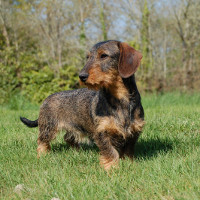
| The Dachshund is a dog of German origin whose name means badger dog. This low-slung little dog was a tenacious earth dog, capable of hunting and pulling vermin from their hiding places, despite the viciousness and almost equal size of some game. The Dachshund's origins date back to 15th century Germany, where the breed developed as a surface and ground hunter. By the 1800s, however, Dachshunds were bred more for companionship than for hunting. Selective breeding programs opted for smaller dogs and gave the Dachshund a wide weight range from 6.5 to 8 kilos. The Dachshund was imported to America in the 1880s and accepted by the American Kennel Club in 1885. Today, the Dachshund is very popular. |
 |
| Standard of the Dachshund |
Appearance of the Shibadox |
| The Shibadox is a hybrid of the Shiba and the Dachshund, retaining many characteristics of both parents. The Shibadox generally has a longer body with short legs, similar but not as exaggerated as the Dachshund parent's body. The legs are strong and sturdy, and the tail often curls over the back, as in the Shiba. The Shibadox's ears are triangular in shape and often stand erect without a break. The head is longer and finer, like the Dachshund, and the eyes are round to oval with a cheerful expression. The Shibadox's nose is black, although it can be brown in brown dogs, and is often perfectly round with large nostrils that support heavy breathing. |
Temperament of the Shibadox |
| The Shibadox is a loyal, cheerful dog that won't tolerate being left alone for long. They are very affectionate with their owners, but are also known for their stubborn nature. With proper socialization, the Shibadox can be affectionate and loving towards children. However, this hybrid is best suited to older children who will not hug or play with it. The Shibadox is less friendly to strangers and can be protective of its owners. Although he's always wary of new people, owners can reduce the likelihood of aggressive behavior by familiarizing him early and regularly with people, places and other dogs. The same applies to the Shibadox's friendliness towards other dogs and pets. Its stubbornness also means it needs a strong, experienced master, so the Shibadox is not suitable for novice dog owners. |
Needs and activities of the Shibadox |
| The Shibadox is an active hybrid with moderate energy levels. Its short legs and long body can slow it down, but it's also fast and eager to run and play. A secure garden is ideal for Shibadox. However, supervision is necessary when outside, as the Shibadox will try to escape, especially by digging its way out. The Shibadox doesn't like extreme weather conditions, but it can adapt to a hot or cold climate if necessary. With plenty of physical and mental stimulation, the Shibadox adapts remarkably well to life in a small space, such as an apartment. |
Maintenance of the Shibadox |
| Shibadox maintenance is easy, although it is not considered a hypoallergenic breed and can be a moderate to heavy shedder. The Shibadox will benefit from daily grooming, but daily brushing is not necessary. Brushing your Shibadox's coat will dramatically reduce the amount of dead hair and shedding, and keep the skin healthy and in good condition. Shibadox are prone to developing skin conditions, so they should not be bathed often. The Shabidox is an active dog with little tendency to drool and is not known for having a doggy odor. It does, however, have a tendency to put on weight and overeat if given the opportunity. |



 English (United Kingdom)

Comments