
 |
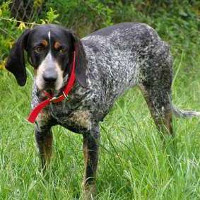
Bluetick Coonhound |
|
He is not recognized by the F.C.I. |
Origin |
U.S.A. |
A brief presentation of the Bluetick Coonhound |
| Bluetick Coonhounds are loyal, intelligent dogs devoted to their families. They live well indoors, although they need exercise. A fully fenced yard is preferable for these dogs, who can wander along an interesting trail. The Bluetick Coonhound is excellent with children, but perhaps best with older children as they can be quite noisy and rough when excited. They are friendly and outgoing if well socialized when young. The breed is attractive in both appearance and nature. They are well muscled but elegant and racy, never clumsy. As night hunters, they excel in their eyesight and dedication to the hunt. They can be difficult to train for the lazy pet owner and, if not sufficiently exercised, can become anxious and even destructive. This breed tends to work well with a bit of land or a decent backyard to roam. You should bear in mind that although they are not aggressive towards people, they should not be trusted around cats or other small animals as their instinct is to hunt. Once fully trained, they are very obedient and listen to their owner. |
History of the Bluetick Coonhound |
| The Bluetick Coonhound originates from the Louis de Bleu de Gascogne breed in Louisiana, as well as the English Foxhound, The Cur, the American Foxhound and the Black and Tan Virginia Foxhound. Bred to hunt, they excelled at tracking, especially at night. As their name suggests, they were originally bred to hunt raccoons, and a good hound would follow their prey until the animal was dealt with, then sit under the tree, howling until their owners caught up. Unlike fox hunting, the owners didn't follow the dog, they held back and listened for the distinctive barks and howls, then located the prey. The Bluetick Coonhound had a keen sense of smell and was also used to hunt possums, bobcats and even larger prey such as cougars and bears. The Coonhound could hunt alone or in a pack. In the early days of colonization, this breed was very busy in the southern states, mainly as a hunting dog, but also as a companion in fields and rural areas. They were originally registered with the United Kennel Club under the English names Foxhound and Coonhound, but were recognized by the club as a breed in their own right in 1946. Registered with the American Kennel Club, they became part of the Hound group in 2009. |
Appearance of the Bluetick Coonhound |
| The Bluetick Coonhound is a handsome animal, with its unique tricolor coat and slender, muscular silhouette. The coat is dark blue with black patches on the back, ears and sides. The ticking is made up of black hairs on a white background, producing the blue effect. They have a broad head with a domed skull. The ears are thin, supple, silky and weakened on the head. Bluetick Coonhound ears are predominantly black, as is the head. Some dogs may have tan markings around the eyes, cheeks, chest and below the tail, as well as red spots on the feet and thighs. With beautiful, pleading eyes that are round and dark brown in color, the eyes are large and wide. The tail is carried high and ends in a point. With long, muscular hind legs and compact feet with well arched toes, they are a distinctive dog in appearance and gentle and loyal in nature. |
Temperament of the Bluetick Coonhound |
| The Bluetick Coonhound is a friendly, if somewhat clumsy, dog that makes an adorable companion. They are very devoted to their owners and are guardians of the family and the home. If the puppy is well socialized, it will become friendly and welcoming to strangers. This is a dog that has been bred specifically for hunting. So you need to be careful with non-dog animals. It's best to raise a cat and dog together from an early age, so they can bond. They can be a handful to train, often distracted by interesting smells they'd rather follow, but firmness and patience will achieve the desired result. They need a strong owner who is the pack leader. This athletic breed is fit and resilient, and an excellent hunter and stalker. This breed is best leashed to prevent them from catching a scent and disappearing. Loyal and sincere, they need free space for exercise and, preferably, a good long walk every day. They also have a fairly loud howl rather than a bark, which can affect neighborly relations. |
Needs and activities of the Bluetick Coonhound |
| Although these dogs are friendly and devoted, the Bluetick Coonhound needs daily exercise to burn off energy and to do its best on leash not to be distracted by exciting smells. When walking, they love to stick their long, thin muzzles together. They are not good apartment dogs, as they need space to roam, but they behave well indoors and love to hang out with their owners. They respond well to training, although they can lose concentration if an interesting scent attracts them. Great with children, being a solid dog, they can be a little rough with young children, not intentionally, it's just their size and energy. |
Maintenance of the Bluetick Coonhound |
| The Bluetick Coonhound is easy to care for, with an occasional brushing of the coat to keep it clean and shiny. A monthly bath, or as needed, will suffice. They shed lightly, but may need the occasional face wipe to save the furniture or your clothes. As an active outdoor dog, they will often need their ears examined for dirt and debris to avoid infection. Brush their teeth at least once a week, or more often if you can. Trim their nails as needed; a busy dog like the Bluetick Coonhound can maintain its nails on its own, but it's a good idea to check their length regularly. |



 English (United Kingdom)

Comments